


If your customers can’t pay the way they want, you don’t get paid—simple as that. Merchant services are what make modern payments possible, from credit cards and mobile wallets to online and in-store transactions.
In this guide, we’ll break down what merchant services are, the different types available, and how to sell them effectively. You’ll also learn best practices for turning merchant services into recurring revenue using flexible, retailer-friendly POS solutions.
Key Takeaways:
- Merchant services enable businesses to securely and efficiently accept, process, and manage electronic payments.
- Standard merchant services include payment gateways, mobile payments, credit card terminals, POS systems, and virtual terminals.
- Selling merchant services successfully requires the right business model, transparent pricing, strong demos, and post-sale support.
- Pairing merchant services with a POS system that lets you choose your payment processor helps increase margins and long-term customer retention. KORONA POS does that.
What Are Merchant Services?
Merchant services are the tools and technologies that allow businesses to accept and process electronic payments. This includes card processing, payment gateways, terminals, POS systems, and related financial services that move funds from a customer’s account to the business’s bank account.
For retailers, merchant services are essential for speed, security, and customer convenience. Solutions like integrated POS merchant services streamline the checkout process, reduce errors, and connect payments directly to sales and inventory data—creating a smoother experience for both staff and customers.
Types of Merchant Services
Merchant services come in several forms, each serving different business needs and selling environments.
Payment Gateways
Payment gateways securely transmit payment data between the customer, the merchant, and the processor. They’re most commonly used by e-commerce and omnichannel businesses that accept online payments.
PRO TIP!
Understanding how gateways differ from processors helps sellers recommend the right setup for each merchant.
Mobile Payment Solutions
Mobile payment solutions allow businesses to accept payments anywhere using smartphones or tablets. These are popular with pop-up shops, food trucks, service-based businesses, and retailers adopting Mobile POS (mPOS) as part of broader mobile payment growth strategies.
PRO TIP!
The differences between POS and mPOS are subtle, but they’re there. POS is the general term for transaction systems, while mPOS is a type of POS that runs on portable devices (phones/tablets) for flexibility.
Credit Card Terminals
Credit card terminals handle in-store card-present POS payments, including contactless payments like tap-to-pay. Retailers often look for terminals that balance reliability, modern features, and affordable processing costs—especially when comparing options for lower transaction fees.
Dual Pricing and Cash Discounting
Dual pricing is a pricing strategy in which merchants display separate cash and card prices, allowing credit card processing fees to be passed through transparently to card-paying customers. For retailers facing rising interchange costs, dual pricing can significantly protect margins without raising base prices.
PRO TIP!
When supported by the right POS system, dual pricing is compliant, clearly displayed at checkout, and easy for staff to manage. POS platforms like KORONA POS support flexible pricing configurations, making it easier for merchants to implement dual pricing or cash discount programs while staying transparent, accurate, and customer-friendly.
POS Systems
POS systems combine payment processing with sales, inventory, and reporting tools. Retailers often choose systems tailored to their business model, whether that’s a retail POS, quick-service setup, or a small business POS. Understanding different POS system types helps sellers position merchant services as part of a complete operational solution.
Virtual Terminals
Virtual terminals allow merchants to enter payment information through a web browser manually. These are commonly used by phone-order businesses, e-commerce operations, and hybrid retailers using cloud-based POS or self-checkout systems.
Get started with KORONA POS today!
Explore all the features that KORONA POS has to offer with an unlimited trial. There’s no commitment or credit card required.
How to Sell Merchant Services: Step-by-Step Process
Selling merchant services is about matching the right solution to the right business while building long-term trust. Here’s how to do it:
1. Choose an Effective Business Model
Start by deciding how you’ll sell—direct sales, referrals, or white-label partnerships. Your business model affects margins, responsibilities, and the level of involvement you’ll have in onboarding and support.
2. Register as an ISO or Independent Agent
Becoming a registered ISO or agent allows you to sell and earn commissions on merchant services legally. This step builds credibility and ensures compliance with industry regulations.
3. Set a Measurable Sales Goal
Clear goals keep your sales efforts focused and trackable. Define targets based on merchant count, transaction volume, or recurring revenue to guide your strategy.
4. Identify the Target Audience for Your Merchant Service
Different merchants need different solutions. Understanding whether you’re selling to retail, hospitality, or service-based businesses helps you tailor pricing, features, and messaging.
5. Pick a POS System That Lets You Choose Your Payment Processor
A POS that isn’t locked to a single processor gives you flexibility and better margins. KORONA POS enables you to pair merchant services with powerful POS software, while maintaining control over pricing, defining your brand and service, and maximizing your processing and value-added revenue.
Payment processors giving you trouble?
We won’t. KORONA POS is not a payment processor. That means we’ll always find the best payment provider for your business’s needs.
6. Refine Your Sales Pitch
Focus on solving problems, not selling features. Highlight faster checkout, better reporting, and easier reconciliation over technical specifications.
7. Offer Demos and Trials
Seeing the system in action builds confidence. Demos help merchants understand value quickly and shorten the sales cycle.
8. Be Transparent During Communication
Clear pricing, honest timelines, and upfront expectations build trust. Transparency reduces churn and future chargeback disputes.
9. Have a Clear Contract Signing Process
Make onboarding easy with simple contracts and digital signing options. The faster merchants can get started, the better the experience.
10. Offer Post-Sales Support
Ongoing support keeps merchants satisfied and loyal. Tools like customer relationship management (CRM) and loyalty features help maintain strong relationships beyond the initial sale.
Have trouble getting your POS customer service on the phone?
KORONA POS offers 24/7 phone, chat, and email support. Call us at 833.200.0213 to see how reliable we are.
Best Practices for Selling Merchant Services
Success stems from preparation, product knowledge, and a customer-centric focus. When paired with a flexible platform like KORONA POS, these best practices become easier to execute and scale:
Learn About the Merchant Service Industry
Understand pricing models, compliance requirements, and payment trends to sell with confidence. KORONA POS supports modern, integrated payments, making it easier to align industry knowledge with real-world solutions.
Understand the Merchant Service Provider’s Product
Know how each tool works and the problems it solves. With KORONA POS, deep familiarity with features like payment processing, reporting, and integrations makes demos smoother and objections easier to overcome.
Listen and Understand Customer Pain Points
Every merchant operates differently. Listening closely helps you recommend the right combination of POS features and payment tools. KORONA POS’s customizable dashboard and vast reporting nuance allow you to tailor solutions based on each retailer’s workflow, growth stage, and payment needs.
Offer Flexible Payment Options
Merchants want choice. Integrated payments and multiple processing options give them flexibility without locking them into rigid contracts. KORONA POS lets you offer multiple processing options, avoiding locked-in contracts and protecting margins.
Provide a Referral Program
Referral programs reward satisfied merchants for spreading the word. KORONA POS supports reseller and referral partnerships, helping you grow your merchant base while strengthening long-term relationships.
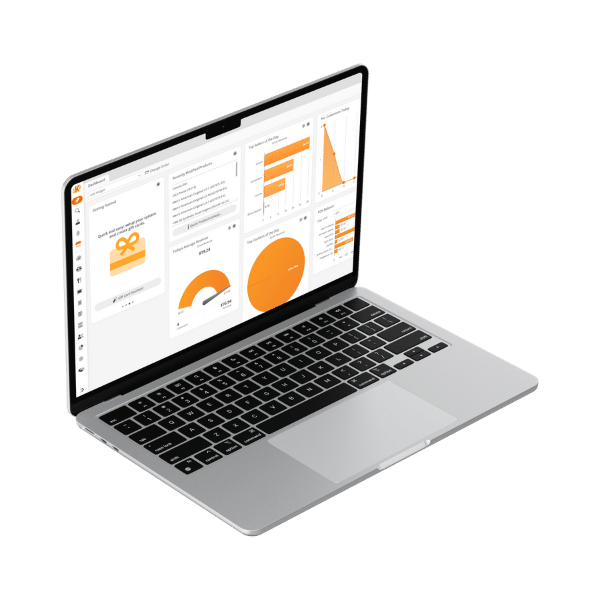
Speak with a product specialist to learn exactly what you need and how we can help.
Turn These Sales Tactics Into Results with KORONA POS
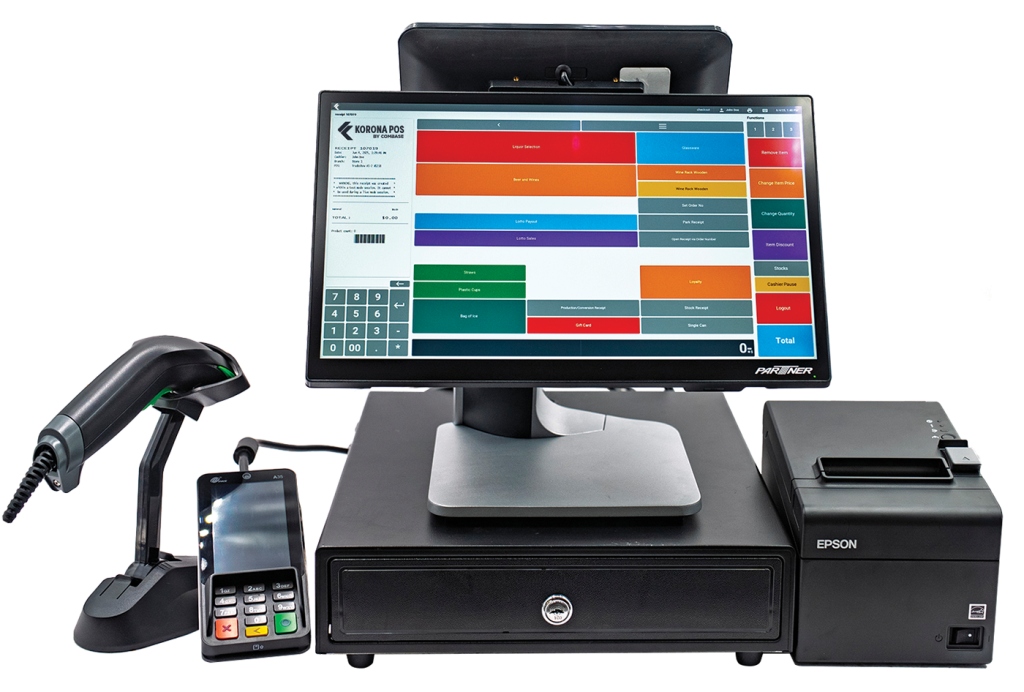
Selling merchant services is more effective when your POS is built for flexibility—not a one-size-fits-all ecosystem. KORONA POS is payment-processor agnostic, making it easier to bundle merchant services, protect your margins, and adapt to each retailer’s needs.
With built-in payments, inventory, reporting, and reseller support, KORONA POS helps you deliver real value while building recurring revenue. If you’re ready to turn merchant services into predictable revenue, the next step is simple.