

Running a store today means juggling more than just products and customers—you also need to handle an ever-growing list of payment options. Retail payment systems, from cash and cards to mobile wallets and Buy Now, Pay Later options, can feel overwhelming. But here’s the good news: once you understand the basics, choosing the right payment options for your business gets much easier.
This guide explains retail payment systems, how they work, and the best options available, highlighting clear benefits and challenges. By the end, you’ll know exactly how to find a payment solution that boosts sales and keeps your checkout stress-free.
Key Takeaways:
- Retail payment systems are the backbone of modern shopping, enabling businesses to accept a wide range of payment methods, from cash to mobile wallets and contactless cards.
- The best retail payment systems seamlessly integrate with your POS to streamline checkout, minimize errors, and enhance the overall customer experience.
- Choosing the right system means balancing costs, security, flexibility, and growth potential.
- KORONA POS enables retailers to select their own processor, offers numerous integration options, and scales as they grow without hidden fees.
What are Retail Payment Systems?
Retail payment systems are the tools and processes that enable businesses to accept customer payments—whether in cash, by credit or debit card, or through digital options such as mobile payments. They’re the link between a shopper’s money and your bottom line.
Cash Transactions
Even in the digital age, cash isn’t going anywhere. Some customers prefer it for small purchases or budgeting, and many retailers still rely on it as a backup when card readers go down. The key is to ensure that your POS tracks cash alongside other payments for accurate reporting.
Credit and Debit Cards
Credit and debit cards remain the primary method of payment for most people today. These purchases require a payment processor to move money from the customer’s bank account to your merchant bank, minus processing fees and transaction costs.
With the rise of EMV chip technology and tap-to-pay, credit and debit cards are safer than ever.
PRO TIP!
Choosing the right payment service provider can impact your transaction fees, security standards, and overall customer experience.
Mobile Wallets
Mobile payment apps, such as Apple Pay, Google Pay, and Samsung Pay, are now mainstream. Customers upload their credit card information to their digital wallets, and they’re good to go.
These payment methods are quick, contactless, and secure. For retailers, offering digital wallets means meeting customers where they are and speeding up the checkout process.
Gift Cards and Store Credit
Gift cards and store credit are loyalty programs as much as payment methods. They also encourage repeat visits, and store credit can help smooth over returns while keeping revenue in-house. The best retail POS systems integrate both seamlessly into your payment setup.
PRO TIP!
Always track cash and digital payments together. A system that tracks all payments in one place prevents errors when reconciling your books and helps you identify sales trends faster.
How Do Retail Payment Systems Work?
Behind every swipe, tap, or scan is a chain of communication. The customer initiates the payment, your system captures it, and a payment processor routes the request to banks or card networks. Once authorized, funds move from the customer’s account to yours—minus retail payment processing and transaction fees.
Systems that integrate directly with your POS, rather than sitting off to the side, reduce errors, save staff time, and keep everything in sync.

Learn more about how credit card processing works and save your business money with this free eGuide.
Best Retail Payment Systems
There’s no one-size-fits-all solution. The “best” retail payment system depends on your business type, size, and customer base. Here are nine common types:
1. Traditional POS Terminals
Classic countertop machines connected to a register remain a staple; they’re reliable, secure, and familiar to both staff and customers. However, they can be less flexible compared to mobile or cloud-based systems.
2. Mobile POS (mPOS)
Think tablets or smartphones that double as checkout devices. mPOS systems are ideal for retailers who sell on the go—such as at markets, pop-ups, or curbside. They cut hardware costs and offer unmatched flexibility.
3. Integrated POS Systems
These combine payments with inventory, customer data, and reporting in one platform. As you’ll see in our post on POS versus payment processors, integrated POS systems save time, reduce errors, and provide real-time insights into your business.
PRO TIP!
High transaction volume can incur significant fees if your POS locks you into a single processor. Systems like KORONA POS let you choose the processor that scales with your business.
4. Online Payment Gateways
Essential for e-commerce or hybrid retailers, payment gateways enable customers to make secure payments on your website. They also offer features such as recurring billing, subscriptions, and stored card details. Selecting the right payment gateway has a significant impact on both security and customer trust.
A virtual terminal enables you to process payments remotely, eliminating the need for a physical card reader, which is ideal for phone orders or remote sales.
PRO TIP!
Some customers prefer bank transfers for larger purchases or recurring billing. To keep checkout frictionless, make sure your retail payment system supports them.
5. Contactless Payment Solutions
Tap-to-pay and QR code systems aren’t just pandemic-era tools—they’re the new norm. With contactless and mobile retail payment solutions, customers appreciate the speed and safety, while retailers reduce checkout lines.
6. Buy Now, Pay Later (BNPL)
Options like Klarna or Afterpay let customers split payments into installments. While retailers may pay higher fees, BNPL can drive larger purchases and attract younger shoppers.
7. Cryptocurrency Payments
Though niche, crypto acceptance is growing. It can be a differentiator for tech-savvy customers, but volatility and regulatory uncertainty make it a riskier option for most retailers.
8. Self-Checkout Kiosks
Popular in grocery and big-box retail, self-checkout kiosks reduce labor costs and give customers more autonomy. For smaller retailers, compact kiosks are becoming more affordable and accessible.
9. PayFac Solutions (Payment Facilitators)
PayFacs streamline the merchant account process, letting smaller businesses accept card payments quickly. They simplify setup but sometimes come with higher long-term fees.
Payment Methods Comparison
Payment Type | Pros | Cons | Best For |
Cash | No tech required, instant | Risk of theft, manual tracking | Small shops, markets |
Credit/Debit Cards | Widely accepted, fast | Processing fees | Most retailers |
Mobile Wallets | Contactless, secure | Requires NFC-enabled devices | Quick-service, tech-savvy customers |
Gift Cards/Store Credit | Boosts loyalty | Management required | Retail & cafes |
BNPL | Larger purchases, younger audience | Higher merchant fees | e-commerce & hybrid |
Cryptocurrency | Innovative, niche market | Volatility, limited adoption | Tech-focused businesses |
Benefits of Implementing a Retail Payment System
Modern retail payment solutions do more than just process transactions—they speed up checkout, improve accuracy, and give you insights that help your business grow. Implementing the right system can turn everyday payments into a powerful tool for efficiency and customer satisfaction.
Faster Checkout
Speed is everything at the register. A robust payment system keeps lines moving, reduces abandoned carts, and improves the overall shopping experience.
Improved Accuracy
Manual errors in handling payments can cost businesses thousands annually. Automated, integrated systems ensure every sale is tracked and reconciled correctly.
Better Customer Experience
Shoppers expect convenience, whether they’re paying with a phone, splitting a bill, or redeeming loyalty points. Offering multiple options keeps them coming back.
Stronger Security
Modern payment systems encrypt data and comply with PCI standards. This protects your customers’ information and safeguards your business from fraud.
Modern retail payment systems adhere to strict security standards, encrypting sensitive data to protect both you and your customers.
Insightful Reporting
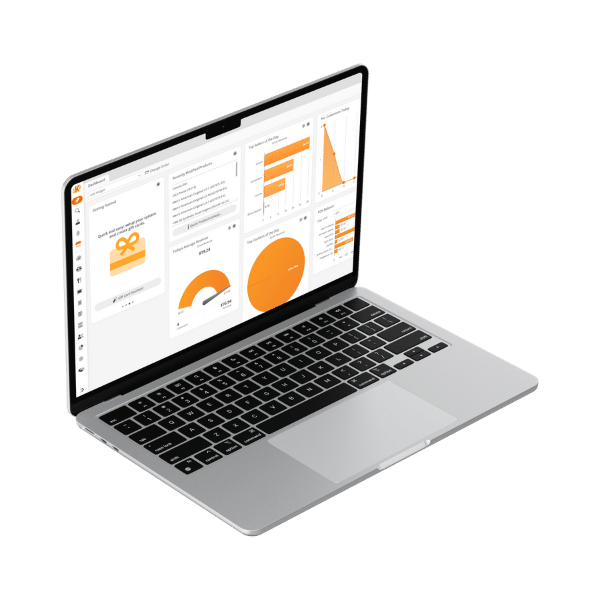
Advanced POS platforms, such as KORONA POS retail systems, provide real-time analytics on sales, payments, and inventory. This helps you spot trends and make data-driven decisions.
PRO TIP!
We recommend tracking all payments on a single dashboard. Choosing a POS that consolidates cash, card, and mobile transactions prevents reconciliation errors and saves hours of end-of-day reporting.
Challenges in Retail Payment Systems
While retail payment systems offer significant advantages, they’re not without hurdles. From processing fees and integration headaches to security risks and downtime, understanding the everyday challenges helps you choose a system that keeps your business running smoothly.
High Processing Fees
Every swipe comes with a cost. For businesses with slim margins, fees can quickly eat into profits. KORONA POS helps you shop around for processors instead of locking you into one.
Integration Issues
When payment systems don’t sync with your POS, you waste time reconciling data. Integrated solutions prevent costly mismatches and reporting headaches.
Fraud and Security Risks
Payment fraud remains a persistent threat, encompassing everything from chargebacks to data breaches. Retailers need systems with end-to-end encryption and proactive monitoring.
Limited Payment Options
You risk losing the sale if you don’t accept the methods your customers want—like contactless or BNPL. Flexible systems make it easy to expand as trends change.
Technical Downtime
When your POS goes down, so does your revenue. Cloud-based platforms with offline capabilities keep you running even during outages.
Payment processors giving you trouble?
We won’t. KORONA POS is not a payment processor. That means we’ll always find the best payment provider for your business’s needs.
How to Choose the Best Retail Payment System for Your Business
The best system is the one that fits your business—not just today but in years to come. Start by considering your budget, customer base, and growth plans. Then, consider whether you need advanced tools such as e-commerce integration, loyalty programs, or subscription billing.
Evaluate how much flexibility you want with processors—systems like KORONA POS give you the freedom to choose your processor, while others lock you into higher fees. And don’t overlook support and reporting: with features like analytics and customer support, you’ll be set up for long-term success.
Choosing the Right Point-of-Sale (POS) System
Scalability
As your business grows, your POS should grow with you. KORONA POS handles everything from single boutiques to multi-store chains.
Inventory Management
With retail inventory management, your POS doubles as your stockroom assistant—helping you avoid shortages and over-ordering.
Payment Flexibility
Your POS should accept all major payment types without hassle. KORONA POS payments let you offer cash, cards, contactless, and more.
Customer Support
Tech hiccups happen. A provider with reliable POS customer support ensures you’re never stuck in downtime.
Data and Analytics
With advanced reporting, you’ll know exactly what’s selling, when, and to whom—helping you make more intelligent moves for your business.
Simplify Your Retail Payment Process with KORONA’s All-in-One POS System
Ultimately, the ideal retail payment system should simplify both your life and that of your customers.
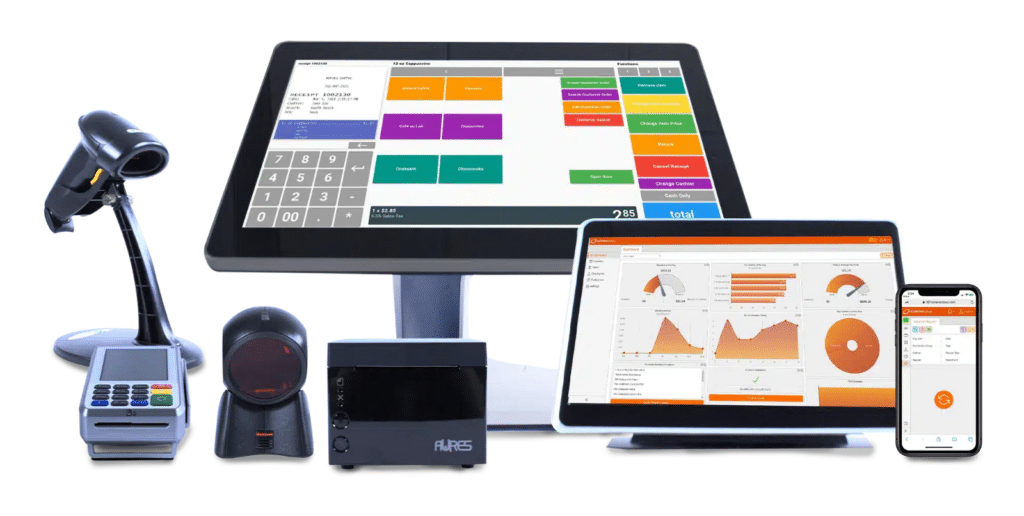
That’s why an all-in-one POS, like KORONA POS, is such a powerful solution. It provides flexibility in payment processing, smooth integration with inventory and reporting, and scalability to grow without limits.
Speak with a product specialist to learn exactly what you need and how we can help.