

Key Takeaways:
- Opening a liquor store in NYC requires thorough market research, a defined store concept, and realistic startup capital (often $100,000–$250,000+ depending on size and location).
- You must secure a New York retail liquor license, proper zoning approval, tax IDs, and liquor liability insurance before opening.
- Location, inventory mix, and technology—especially a strong retail POS system and liquor store inventory management software—directly impact profitability.
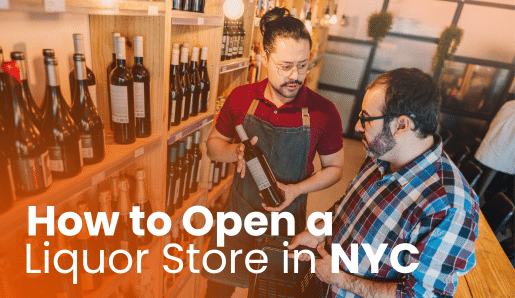
Opening a liquor store in NYC is competitive, regulated, and expensive—but it can also be highly profitable if done right. If you’re searching for how to open a liquor store in NYC, the short answer is this: you need a license, capital, a prime location, and the right systems to manage inventory and compliance.
This guide walks you through each phase—from market research and licensing to choosing the right retail POS system and marketing your store. By the end, you’ll know exactly what steps to take and where most new owners go wrong.
Phase 1: Market Research and Business Plan
Opening a liquor store in NYC starts with disciplined research and a realistic business plan. You must analyze neighborhood demographics, competitor saturation, startup costs, and projected cash flow before investing capital or applying for a license.
Conduct Market Research
Before signing a lease or applying for a license, understand your neighborhood, competitors, and customer base. Strong research reduces risk and improves your funding prospects.
→ Consumer Demographics
Analyze neighborhood income levels, age distribution, and buying habits. Areas with young professionals may favor craft beer and premium tequila, while residential zones may prioritize value wine and spirits.
Study foot traffic patterns and proximity to restaurants or nightlife. Higher-density neighborhoods often support higher-margin specialty inventory.
→ Industry Trends
The NYC liquor market trends toward premiumization, ready-to-drink cocktails, and craft imports. Non-alcoholic alternatives are also gaining shelf space.
Digital ordering and loyalty programs are becoming standard. Stores using modern retail inventory management software gain an operational advantage.
→ Consumer Demographics
Visit nearby liquor stores and evaluate pricing, layout, and product mix. Identify gaps—such as limited craft selections or poor customer service.
Pay attention to store size and customer flow. This helps you position your concept strategically rather than duplicating existing offerings.
Define Your Store Concept
Not all liquor stores are the same. You can focus on high-volume discount retail, boutique wine and spirits, organic and specialty imports, or neighborhood convenience.
Define your product mix, price positioning, branding, and customer experience early. This clarity shapes everything from your lease size to your technology stack.
Estimate Costs and Required Funding
Starting a liquor store in NYC typically costs between $100,000 and $250,000+, depending on size and location. Major expenses include licensing fees, lease deposits, renovations, shelving, refrigeration, and initial inventory.
You’ll also need working capital for payroll, utilities, and reorders. Build a detailed business plan before approaching lenders or investors.
PRO TIP!
Always overestimate inventory costs. Liquor margins are strong, but cash flow can tighten quickly during the first 6–12 months.
Phase 2: Finding the Right Spot
Location directly impacts foot traffic, revenue, and long-term viability. Choose a high-visibility space that complies with zoning laws and distance requirements while aligning with your target customer base.
Estimating Foot Traffic
Foot traffic drives impulse purchases and repeat customers. High-visibility corners near transit stops or grocery stores perform well.
Track pedestrian flow at different times of day. Evening and weekend traffic is particularly important for liquor retailers.
Understanding Zoning Regulations
NYC zoning laws restrict where liquor stores can operate. You must verify that the property complies with New York State Liquor Authority regulations. Distance rules between liquor stores can affect approval. Always confirm eligibility before signing a lease.
Choosing the Store Layout
Design your layout for visibility and theft prevention. High-value items should remain in clear sightlines from the register. Efficient shelving and logical category placement increase basket size. Plan space for seasonal displays and promotional stacks.
Phase 3: Legal Requirements
Liquor retail is heavily regulated in New York, and compliance begins before you open your doors. Securing your retail liquor license, forming a legal entity, registering tax IDs, and obtaining liquor liability insurance are mandatory steps that require time and documentation.
Obtain a Retail Liquor License
You must apply through the New York State Liquor Authority (NYSLA). Approval requires background checks, community board notifications, and financial disclosures.
→ Application Fees and Requirements
Fees vary but often exceed several thousand dollars. Processing can take months, so plan accordingly.
Business Entity
Form an LLC or corporation to protect personal assets. Register your entity with New York State before applying for licenses.
Lease Agreement
Most landlords require a signed lease before licensing approval. Include a contingency clause tied to license approval whenever possible.
Federal and State Tax IDs
You must register for both federal and state tax identification numbers. Click the links below to learn more:
→ EIN Numbers
An Employer Identification Number (EIN) from the IRS is required to hire employees and file taxes.
→ NYS Tax ID
Register with the New York State Department of Taxation to collect and remit sales tax.
Local Regulations
Comply with signage, hours-of-operation, and local permit requirements. Violations can result in fines or license suspension.
Liquor Liability Insurance
Liquor liability insurance protects your business from alcohol-related claims. Many landlords require proof of coverage before occupancy.
PRO TIP!
Policies vary in cost based on size and revenue. Budget this as a non-negotiable operating expense.
Phase 4: Setting Up the Business
Once approved, your focus shifts to infrastructure and operations. Inventory strategy, staffing, and integrated retail systems determine how efficiently your store runs from day one.
Get Investors
If personal capital and loans aren’t enough, outside investors can help bridge funding gaps. Present a clear business plan with realistic revenue forecasts and defined margins.
Investors want transparency and operational clarity. Show them how technology, inventory controls, and location strategy protect their return.
PRO TIP!
Include detailed cash flow projections for at least 12 months. Liquor stores are profitable—but inventory-heavy.
Select Inventory
Start with core, high-demand products across vodka, whiskey, tequila, rum, gin, wine, and beer. These staples generate consistent turnover and cash flow.
Then layer in premium and specialty products based on your neighborhood demographics. Avoid overloading niche SKUs until sales data justifies expansion. Your balance should look something like:
- 60–70% core national brands
- 20–30% premium or craft
- 5–10% experimental or seasonal
Choose the Right Software
Your software stack directly impacts compliance, speed, and profitability. Manual systems increase errors and limit visibility.
Modern retail operations rely on integrated systems for inventory, checkout, reporting, and payroll. Automation reduces labor costs and improves accuracy.
→ Inventory Management System
A dedicated retail inventory management software solution gives real-time stock visibility and automated reorder alerts. This prevents overstocking slow-moving products and running out of bestsellers.
Liquor retailers benefit from specialized liquor store inventory management tools that track case breaks, bottle-level sales, and supplier performance. Strong reporting improves purchasing decisions and cash flow control.
→ Point-of-Sale System
A modern retail POS system ensures fast checkout and built-in age verification prompts. It should integrate seamlessly with your inventory system to update stock automatically.
Look for barcode scanning, multi-register capability, and detailed sales reporting. Cloud-based systems provide remote access to performance data and compliance records.
→ Payroll System
Integrated payroll software reduces compliance risks and tax miscalculations. Automated time tracking prevents wage discrepancies and labor disputes.
Choose a system that syncs with scheduling and reporting tools. Labor is one of your largest recurring expenses—control it carefully.
Staffing and Training
Hire employees who prioritize customer service and strict ID verification. Clear procedures reduce compliance violations and protect your license.
Train staff on upselling, product knowledge, and theft prevention. Well-trained employees increase average transaction value and reduce shrinkage.
Inventory management a headache?
KORONA POS makes stock control easy. Automate tasks, generate custom reports, and learn how you can start improving your business.
Phase 5: Marketing and Promotion
Even in high-traffic areas, marketing drives repeat business and brand recognition. A clear online presence, seasonal promotions, loyalty programs, and local partnerships help build consistent customer demand.
Online Presence
A website and Google Business profile boost visibility and credibility. Clear hours and positive reviews influence customer decisions.
Seasonal Promotions
Promote holidays and event-based bundles. Strategic pricing increases volume during peak seasons.
Loyalty Programs
Reward repeat customers to encourage return visits. Integrated POS loyalty tools make tracking simple and accurate.
Local Advertising
Collaborate with nearby restaurants and event spaces to reach local audiences. Consistent local visibility drives steady foot traffic.
Collaborations
Host tastings or brand events where allowed to engage customers. Partnerships with brands or community groups attract new shoppers.
Phase 6: Continued Compliance with Liquor Store Regulations
Opening is only the beginning; ongoing compliance protects your license and revenue. Accurate sales records, proper product storage, and visible licensing documentation reduce risk and ensure uninterrupted operations.
Maintain Accurate Sales Records
Detailed sales records protect you during audits. Advanced POS reporting and analytics tools simplify tracking and reconciliation. Automated reports reduce manual errors. This is critical in regulated retail environments.
Display and Store Liquor Safely
Follow storage guidelines and maintain proper labeling. Keep aisles organized and accessible. Improper storage can damage inventory and create compliance risks.
Post Your Certificate
Your liquor license must be displayed publicly. Failure to do so can result in fines or suspension. Keep renewal dates visible internally. Late renewals can halt operations.
Run Your Liquor Store Profitably and Efficiently With KORONA POS
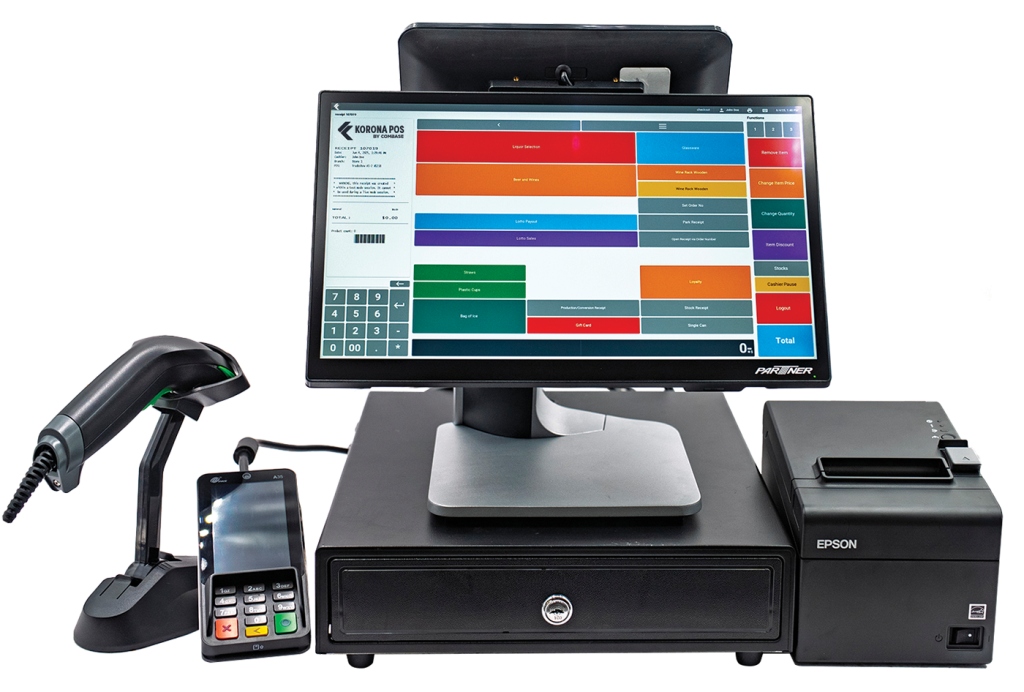
Opening a liquor store in NYC requires planning, capital, compliance, and operational precision. But long-term profitability depends on the systems you use every day. A dedicated liquor store POS system streamlines checkout, inventory, reporting, and compliance in one platform.
With real-time tracking, automated reports, and integrated inventory tools, you reduce shrinkage and increase margins. If you’re serious about opening—or upgrading—your liquor store, take the next step. You can schedule a demo to see how it works in real time or create an account here to get started.
FAQs: Opening A Liquor Store In NYC
How long does it take to get a liquor license in NYC?
It can take several months, depending on application completeness and community board review.
How much does it cost to open a liquor store in NYC?
Most stores require $100,000–$250,000+ in startup capital.
Do I need a special POS system for a liquor store?
Yes. Alcohol retailers benefit from POS systems with age verification prompts, detailed reporting, and liquor-specific inventory tracking.