

Key Takeaways:
- Mixers, bar tools, and accessories often carry better margins than your core alcohol inventory and pair naturally with what customers are already buying.
- Impulse items need to be where customers are already looking. Placing them near the register, on end caps, and adjacent to high-traffic items does most of the work.
- Review your impulse category performance monthly and rotate out slow movers. Space near the register is too valuable to leave to products that aren’t pulling their weight.
When someone walks into a liquor store for a bottle of rum, there’s a decent chance they also need lime juice, simple syrup, and a decent glass to drink it from. They might not be thinking about those things yet. The stores that do well are the ones that remind them.
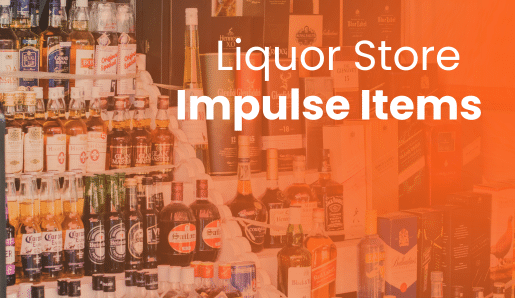
Impulse merchandising in liquor retail is about stocking the right complementary products, putting them where customers will actually see them, and using your sales data to refine the mix over time. This guide walks through what tends to work with liquor store impulse items and why.
Why Impulse Items Increase Liquor Store Revenue
The case for stocking impulse items is pretty straightforward. Accessories and complementary products (mixers, bar tools, gift sets) often carry better margins than your core alcohol inventory. They’re priced low enough that customers don’t hesitate. And because they pair naturally with what’s already in the basket, they don’t feel like an upsell.
Here’s what makes impulse merchandising particularly well-suited to liquor stores:
- Customers come in with a clear purchase in mind, which puts them in a buying mindset generally
- The natural pairings between spirits and accessories are obvious enough that merchandising almost does the work for you
- Small add-ons compound quickly across hundreds of transactions a week
None of this requires a big investment. A well-chosen selection of a dozen or so complementary products, placed thoughtfully around the store, is enough to see a real difference in average transaction size.
Best Impulse Items for Liquor Stores
The best impulse items for liquor stores are products customers already intended to buy (they just needed a little reminder). The categories below cover what tends to sell consistently, and why.
Gift Sets and Bundles
Alcohol is one of the most commonly gifted products there is, and most people want the decision made for them. A pre-assembled gift set near the register (especially around the holidays, but honestly year-round) removes the guesswork.
The best bundles feel intentional and well thought-out. Think:
- A whiskey bottle paired with two branded glasses
- A classic cocktail kit (all the ingredients for a negroni or old fashioned, boxed together)
- A wine duo with a short pairing note included
- Pre-batched cocktail bottles for customers who enjoy cocktails but won’t make them from scratch
PRO TIP!
Pricing matters here. A bundle should feel like a slight value compared to buying the items separately, even if your margin stays the same. “Gift Set – $45” lands better than three items priced at $15, $16, and $17.
Party Supplies
If someone’s buying two cases of beer and a handle of vodka, they’re probably hosting something. There’s no reason they can’t also pick up what else they need from you.
The category doesn’t need to be large. A small, curated selection near the checkout is enough:
- Solo cups and disposable shot glasses
- Ping pong balls
- Cocktail napkins
- Hangover remedy packets (Liquid I.V., Pedialyte singles, Blowfish)
- Energy drinks, particularly ones that mix well
PRO TIP!
It’s worth asking your cashiers to note what customers ask for that you don’t carry. A few repeated requests is usually a reliable signal that something’s worth adding.
Mixers and Non-Alcoholic Drinks
This is the category most liquor stores underinvest in, and it’s one of the more consequential gaps. A good mixer selection serves two purposes: it makes your store a one-stop shop for people hosting a gathering, and it caters to non-drinkers in the group who still need something to drink.
Opt for:
- Fresh or cold-pressed citrus juices (lime, lemon, grapefruit)
- Quality tonic waters like Fever-Tree or Q Mixers
- Ginger beer in a couple of varieties
- Coconut water, kombucha, sparkling water in interesting flavors
- Non-alcoholic spirits, which have grown into a real category in the last few years
PRO TIP!
Customers buying premium spirits generally expect premium mixers to go with them. If someone’s spending $60 on a bottle of gin, they’re not looking for the cheapest tonic on the shelf. Stock and price accordingly: customers at a liquor store understand they’re paying for convenience and selection.
Bar Tools and Accessories
Home bartending picked up a lot during the pandemic and never fully went away. Customers who got into making cocktails at home are now a consistent buying segment, and they’re looking for gear.
A bar tools section doesn’t need to be extensive. A focused selection is more effective than a sprawling one. Stock:
- A Boston shaker and a cobbler shaker (different customers prefer different styles)
- Jiggers and bar spoons
- Muddlers and strainers
- Bitters: Angostura, orange, and one or two craft options cover most needs
- Garnishes: cocktail cherries, dehydrated citrus wheels, cocktail onions
- One or two cocktail recipe books
PRO TIP!
Cross-merchandising works well here. A bottle of mezcal displayed next to a recipe card and a muddler is more likely to sell all three than any of them would sitting in separate parts of the store.
Samplers and Small-Format Bottles
Mini bottles (50ml and 100ml) are natural impulse buys. They’re low commitment, easy to grab, popular as stocking stuffers, and useful for travel. They also give customers a low-risk way to try something new before committing to a full bottle.
If a distributor is running a promotion on a new product, a sampler display near the register is a natural fit. Many distributor reps will provide point-of-sale materials to support it, so it’s worth asking.
PRO TIP!
In-store tastings, where local regulations allow, are worth doing regularly. A customer who tries a pour is meaningfully more likely to buy a bottle. Use tasting events to introduce higher-margin products or move inventory that’s been sitting.
Home Brewing Supplies
This one surprises some store owners, but home brewers tend to be enthusiast consumers: they spend more per visit, ask informed questions, and come back regularly. Adding a small home brewing section signals that your store knows the category.
You don’t need to go deep. A starter-friendly selection works fine. Include:
- Beginner fermentation kits for beer and wine
- Basic bottling equipment
- Brewing yeast and additives
- A small selection of ingredient kits tied to popular styles
PRO TIP!
If you or a staff member brews at home, that’s worth mentioning to customers. Personal experience behind a recommendation goes a long way.
Where to Place Impulse Items in Your Liquor Store
Good products in the wrong location won’t sell. Impulse items depend on visibility, and visibility depends on where customers naturally look and linger.
A few locations that hold up in most liquor store layouts include:
- Checkout counter and immediate surroundings: mini bottles, hangover remedies, cocktail picks, gift cards. Anything small and easy to grab while waiting.
- End caps: gift sets, seasonal bundles, featured new products
- Adjacent to high-traffic SKUs: mixers near spirits, bar tools near cocktail ingredients
- Eye level on mid-floor shelving: accessories and recipe books that invite a moment of browsing
- Near the entrance: seasonal displays and promotions that set the tone for the visit
How to Track Impulse Item Sales with Your Liquor Store POS
Intuition is a reasonable starting point for building out an impulse section. But sales and POS data are what make it actually profitable over time. A liquor store POS system should be able to tell you:
- Which impulse items are selling consistently and which aren’t moving
- What products are often bought together (useful for bundle and placement decisions)
- When certain categories spike (seasonal patterns, weekends vs. weekdays)
- How individual SKUs are trending over time
PRO TIP!
Space near the register is limited and valuable. Items that aren’t selling should rotate out quickly. It’s worth reviewing impulse category performance at least once a month and making adjustments based on what the numbers show.
Discover Advanced Analytics and Custom Reports
Speak with a product specialist and learn how KORONA POS can work for your business.
Final Thoughts on Liquor Store Impulse Merchandising
Building out an impulse section doesn’t have to happen all at once. Pick two or three categories, stock them well, and pay attention to what moves. The data will show you where to go from there.
The broader goal is straightforward: become the store people think of when they’re planning a night in, hosting a gathering, or picking up a gift. That reputation builds over time, through consistent selection and thoughtful presentation, not any single product decision.
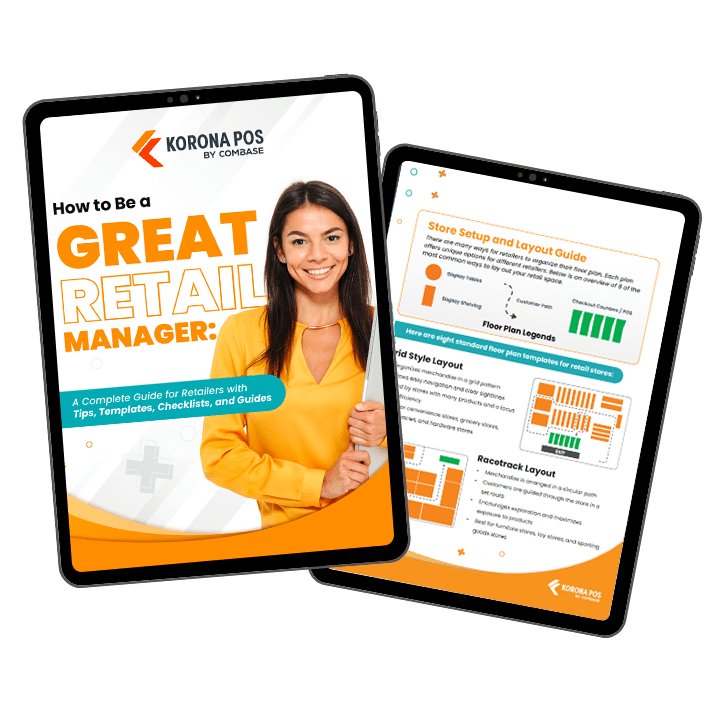
Free printable templates and checklists to help you manage retail operations with ease
FAQs: Liquor Store Impulse Items
What time of year do impulse items sell best in liquor stores?
The holidays are the strongest period for gift sets and bar accessories, but summer is underrated. Backyard gatherings drive consistent demand for party supplies, mixers, and canned cocktails. Building seasonal displays around these windows tends to outperform keeping a static impulse section year-round.
Should impulse items be priced differently than regular inventory?
Most liquor stores price impulse items 10-20% above what a grocery store would charge, and customers rarely push back because they’re already in a buying mindset. It breaks down above $25 or so, where the price starts to feel like a considered purchase rather than an easy grab.
How many impulse SKUs is too many?
Focused and intentional impulse sections are best. Too many options near the register create decision fatigue and make the display look disorganized. Most stores do better with a tight selection of 15 to 25 SKUs across two or three categories than a sprawling one that tries to cover everything.
{ “@context”: “https://schema.org”, “@graph”: [ { “@type”: “Article”, “@id”: “https://koronapos.com/blog/liquor-store-impulse-items/#article”, “headline”: “Liquor Store Impulse Items: What to Stock and How to Sell It”, “description”: “A practical guide to the best impulse items for liquor stores, including what to stock, where to place them, and how to track what’s working.”, “url”: “https://koronapos.com/blog/liquor-store-impulse-items/”, “datePublished”: “2020-09-24”, “dateModified”: “2026-02-23”, “author”: { “@type”: “Person”, “name”: “Michael C.”, “url”: “https://www.linkedin.com/in/michael-chal/” }, “publisher”: { “@type”: “Organization”, “name”: “KORONA POS”, “url”: “https://koronapos.com”, “logo”: { “@type”: “ImageObject”, “url”: “https://koronapos.com/wp-content/uploads/2025/06/KORONA-POS-NEW-LOGO.png” } }, “image”: { “@type”: “ImageObject”, “url”: “https://koronapos.com/wp-content/uploads/2020/09/842101_5-New-Blog-Images-1_092420-1.png”, “width”: 750, “height”: 500 }, “mainEntityOfPage”: { “@type”: “WebPage”, “@id”: “https://koronapos.com/blog/liquor-store-impulse-items/” } }, { “@type”: “FAQPage”, “@id”: “https://koronapos.com/blog/liquor-store-impulse-items/#faq”, “mainEntity”: [ { “@type”: “Question”, “name”: “What is a reasonable price range for impulse items in a liquor store?”, “acceptedAnswer”: { “@type”: “Answer”, “text”: “Most impulse items in a liquor store perform best in the $5–$20 range. Below that, the contribution to your average ticket is minimal. Above $20, customers start to think it over, which slows the purchase down. The exception is gift sets, which can go higher because the framing of ‘this is a gift’ changes how customers evaluate the price.” } }, { “@type”: “Question”, “name”: “How do you keep impulse inventory from becoming a tracking headache?”, “acceptedAnswer”: { “@type”: “Answer”, “text”: “Treat impulse items like any other SKU in your inventory system — set reorder points and let your POS flag when stock gets low. Grouping impulse products into a dedicated department or category makes it easier to pull clean sales reports without sorting through your full product catalog.” } }, { “@type”: “Question”, “name”: “Do impulse item strategies differ between wine-focused and spirits-focused stores?”, “acceptedAnswer”: { “@type”: “Answer”, “text”: “Yes. Wine-focused stores tend to see stronger results from accessories like aerators, decanters, wine charms, and food pairing guides. Spirits-focused stores generally do better with cocktail tools, bitters, premium mixers, and glassware. If your store carries both categories in depth, consider two distinct impulse zones rather than combining everything.” } }, { “@type”: “Question”, “name”: “What time of year do impulse items sell best in liquor stores?”, “acceptedAnswer”: { “@type”: “Answer”, “text”: “The holidays are the strongest period for gift sets and bar accessories, but summer is underrated — backyard gatherings drive consistent demand for party supplies, mixers, and canned cocktails. Building seasonal displays around these windows tends to outperform keeping a static impulse section year-round.” } }, { “@type”: “Question”, “name”: “Should impulse items be priced differently than regular inventory?”, “acceptedAnswer”: { “@type”: “Answer”, “text”: “Most liquor stores price impulse items 10–20% above what a grocery store would charge, and customers rarely push back because they’re already in a buying mindset. Pricing above $25 tends to slow the decision down, turning a grab into a considered purchase.” } }, { “@type”: “Question”, “name”: “How many impulse SKUs is too many?”, “acceptedAnswer”: { “@type”: “Answer”, “text”: “A cluttered impulse section tends to underperform a focused one. Too many options near the register creates decision fatigue and makes the display look disorganized. Most stores do better with a tight selection of 15 to 25 SKUs across two or three categories than a sprawling one that tries to cover everything.” } } ] }, { “@type”: “BreadcrumbList”, “itemListElement”: [ { “@type”: “ListItem”, “position”: 1, “name”: “Home”, “item”: “https://koronapos.com” }, { “@type”: “ListItem”, “position”: 2, “name”: “Blog”, “item”: “https://koronapos.com/blog/” }, { “@type”: “ListItem”, “position”: 3, “name”: “Liquor Store Impulse Items: What to Stock and How to Sell It”, “item”: “https://koronapos.com/blog/liquor-store-impulse-items/” } ] } ] }