



In the following guide, you’ll learn how to identify dead stock early, implement prevention strategies, and use the right tools to keep inventory moving efficiently.
Dead stock drains retail profits faster than almost any other inventory problem. Unsold products tie up capital, waste shelf space, and create losses that compound over time.
Whether you run a grocery store, liquor shop, or specialty boutique, understanding what causes dead stock and how to prevent it protects your bottom line.
Key Takeaways:
- Dead stock is inventory you cannot sell due to damage, expiration, obsolescence, or zero demand.
- Poor demand forecasting is the main cause of dead stock. Use inventory management software with historical sales data to predict accurate order quantities and avoid overordering.
- Products sitting unsold for 90+ days require immediate markdown or removal action.
- Implement FIFO rotation, set strategic reorder points, and negotiate flexible supplier terms to prevent dead stock.
- Modern POS systems automate alerts and provide visibility into slow-moving products before they become unsellable.
What Is Dead Stock in Retail?
Dead stock is inventory that cannot be sold. This includes products that remain unsold due to overordering, poor sales forecasts, or changing customer demand.
Dead stock also encompasses damaged goods, incorrect shipments, unsold seasonal items, and expired products.
WARNING
Retailers, especially grocery and convenience stores, are more vulnerable to dead stock because perishable goods such as food, produce, and medicine can quickly become unsellable once they spoil or pass their expiration dates.
What Can Cause Dead Stock And How To Fix It?
Understanding why dead stock accumulates helps you prevent it. Even well-run companies find that 20 to 30 percent of their inventory becomes dead or obsolete stock, costing businesses millions annually. Below are the primary causes and actionable solutions.
Defective Products
Products arrive defective due to design flaws or engineering errors. Shoe stores sometimes receive footwear labeled as size 9 but actually measuring size 11. Quality control failures at the manufacturing stage result in merchandise you cannot sell at full price, or sometimes not at all. An estimated 46% of stock losses come from human error, including defects that slip through inspection processes.
Quick Fix
Contact suppliers immediately for return authorization (RA). Most suppliers provide credit and cover return shipping costs for defective merchandise.
Poor Demand Forecasting
Inaccurate sales predictions lead directly to inventory problems. When you miscalculate customer demand, you either overstock items nobody wants or understock products flying off shelves. US retailers have roughly $1.43 in stock for every $1 in sales, largely due to forecasting failures. Poor forecasting creates surplus inventory during slow periods and stockouts during peak seasons, both of which damage profitability.
Quick Fix
Use inventory management software with historical sales data analysis. Track patterns across 18 to 24 months to identify seasonal trends and adjust orders accordingly.
Poor Internal Communication
Sales staff cannot sell products they don’t understand. When new merchandise arrives without proper training, employees lack the knowledge to explain features or benefits to customers. Products sit unsold because no one on your team knows how to position them effectively. Communication breakdowns between purchasing and sales departments result in situations where inventory arrives, but the floor staff remain unprepared.
Quick Fix
Implement mandatory product training before new inventory hits the floor. Create brief product guides with key selling points for each new item.
Overordering From Suppliers
Minimum order quantities from manufacturers often exceed actual demand. Suppliers require bulk purchases that make financial sense for them but leave you with excess inventory. Small retailers especially struggle when forced to order large quantities to meet supplier minimums for products with uncertain demand.
Quick Fix
Negotiate smaller order quantities or flexible terms with suppliers. Consider partnering with other retailers to split large orders.
Inadequate Inventory Tracking
Manual spreadsheet management creates data entry errors and visibility gaps. You lose track of stock levels, accidentally reorder products already overstocked, or miss incoming shipments entirely. Without automated systems, counting errors compound over time until you discover hundreds of units sitting forgotten in back storage.
Quick Fix
Invest in point-of-sale systems with integrated inventory tracking. Automated alerts notify you when stock levels require attention.
Seasonal Merchandise Timing
Holiday and seasonal products become worthless overnight after their selling window closes. Christmas decorations on January 2nd, Halloween costumes on November 1st, or winter coats in March lose virtually all value. Seasonal dead stock represents a complete loss unless you can store items for an entire year until the next season arrives.
Quick Fix
Plan aggressive markdowns starting at 30 days before season end. Accept lower margins to clear inventory while customers remain interested.
The Cost and Impact of Dead Stock
Dead stock reduces revenue, ties up capital, and increases costs. Unsold inventory impacts cash flow, storage, staffing, and shelf space, limiting a retailer’s ability to sell profitable products.
Here’s in detail how dead stock can be directly and indirectly costly to your business:
Money lost
The inability to sell your products hampers your chances of generating a profit from the merchandise you have purchased. Therefore, your investment is down the drain, which is a loss of revenue for your business.
Increase in employee salaries
Inventory management requires more effort if there are more items on the shelves. More items mean more maintenance, shuffling, counting, and ultimately disposing of the items. All of these tasks require more staffing to do the work.
More employees mean higher payroll costs, which can have a disastrous impact on your cash flow managementand profit margin. In the end, such a snowball effect can be mighty costly.
Higher holding costs
Also called inventory carrying costs, holding costs are those associated with storing inventory that remains unsold. Holding costs generally include storage space, labor, and insurance. The more cash a company has tied up in stock, the less cash it spends on other priorities.
Less inventory space
As a retailer, managing store space is of utmost importance. Retailers are very mindful of inventory turnover per foot of shelf space. Dead stock takes up valuable shelf space that could be used for faster-selling products.
PRO TIP
If you maintain low inventory levels, you don’t need to devote as much storage space in the building for additional inventory. This means you have more floor space to market and sell your products.

Free printable templates and checklists to help you manage retail operations with ease
How to Identify and Measure Your Dead Stock?
Retail and small business owners can spot dead stock by reviewing inventory performance regularly and focusing on products that no longer move. Use the steps below to identify and measure it clearly:
• Review sales velocity – Products sitting unsold for 90+ days are prime candidates for dead stock. Check which items haven’t moved in months.
• Calculate your inventory turnover ratio – A low ratio signals products aren’t selling fast enough. Use an inventory turnover ratio calculator to measure how quickly you’re moving stock.
• Track sell-through rates – Compare units sold versus units received. Learning how to calculate sell-through rate helps spot slow movers before they become dead stock.
• Monitor aging inventory – Group products by how long they’ve been on shelves (30, 60, 90+ days). Older inventory needs immediate attention.
• Assess inventory value – Dead stock often shows up during inventory valuation as items worth less than their purchase price.
• Measure ROI on inventory – Track metrics to measure retail inventory ROI to identify which products drain resources without generating returns.
Regular audits combined with these metrics help you catch potential dead stock early.
Best Practices to Reduce or Prevent Dead Stock in Retail
Preventing dead stock requires proactive inventory management and smart purchasing decisions. The following strategies help retailers minimize unsold inventory, improve cash flow, and maximize shelf space efficiency.
Implement Accurate Demand Forecasting
Strong demand forecasting uses historical sales data, seasonal trends, and market analysis to predict what customers will buy. Review past performance during similar periods and adjust for current market conditions.
PRO TIP
Accurate forecasts prevent overordering and help you stock the right quantities. Consider factors like upcoming holidays, weather patterns, and local events that influence buying behavior. Better predictions mean fewer products sitting unsold on your shelves.
Adopt Better Inventory Management Practices
Effective retail inventory management starts with choosing the right system for your business. Compare periodic vs perpetual inventory systems to find what fits your operations. Regular inventory reconciliation catches discrepancies early, while detailed inventory reporting provides visibility into what’s moving and what’s stagnant. Understanding inventory management software costs helps you invest in tools that prevent dead stock through automated tracking and alerts.
Optimize Your Product Assortment
Strategic assortment planning in retail ensures you carry products customers actually want. Analyze sales performance by category, brand, and SKU. Remove slow sellers and expand bestsellers. Test new products in small quantities before committing to large orders. Balance variety with velocity; too many options spread demand thin and increase dead stock risk. Focus on products with proven track records in your market.
Set Reorder Points and Safety Stock Levels
Establish minimum inventory levels that trigger new orders while maintaining buffer stock for unexpected demand spikes. Learning how to avoid stockouts helps you balance having enough inventory without over-purchasing.
PRO TIP
Set reorder points based on lead times and average sales velocity. Safety stock protects against supply chain delays without tying up excessive capital in slow-moving items. Adjust these thresholds seasonally to match demand fluctuations.
Use First In, First Out (FIFO) Method
FIFO ensures older inventory sells before newer stock, particularly important for perishable goods and seasonal items. Organize shelves so employees naturally grab older products first. Date all incoming shipments clearly and train staff on proper rotation procedures. Regular checks prevent items from hiding in back storage until they expire. FIFO reduces waste and keeps inventory fresh, directly cutting dead stock losses.
Develop a Strong Markdown Strategy
A well-planned retail markdown strategy clears slow-moving inventory before it becomes dead stock. Start with modest discounts and increase gradually if products don’t move. Time markdowns strategically around paydays or high-traffic periods.
PRO TIP
Bundle slow sellers with popular items to boost appeal. Track markdown effectiveness using the terms in our complete retail dictionary to measure success and refine future pricing decisions.
Negotiate Flexible Supplier Terms
Build relationships with suppliers who offer return policies, exchange options, or consignment arrangements. Negotiate smaller, more frequent orders instead of bulk purchases to test demand. Ask about buyback programs for unsold seasonal merchandise. Flexible terms reduce risk when introducing new products or uncertain categories.
PRO TIP
Suppliers benefit from loyal customers, so leverage your relationship to create mutually beneficial agreements that protect your inventory investment.
Monitor and Track Equipment Inventory
Beyond product inventory, equipment inventory management prevents capital waste on unused tools, fixtures, and technology. Track which equipment supports sales and which sits idle. Avoid purchasing redundant systems or tools that duplicate functions. Well-maintained equipment lasts longer and performs better, reducing replacement costs. Apply the same inventory principles to your operational assets as you do to sellable products.
Inventory management a headache?
KORONA POS makes stock control easy. Automate tasks, generate custom reports, and learn how you can start improving your business.
Tools & Technologies to Manage Your Dead Stock
Modern technology helps retailers identify, track, and prevent dead stock before it drains profits. The right tools provide inventory visibility, automate reordering, and alert you to slow-moving products.
KORONA POS
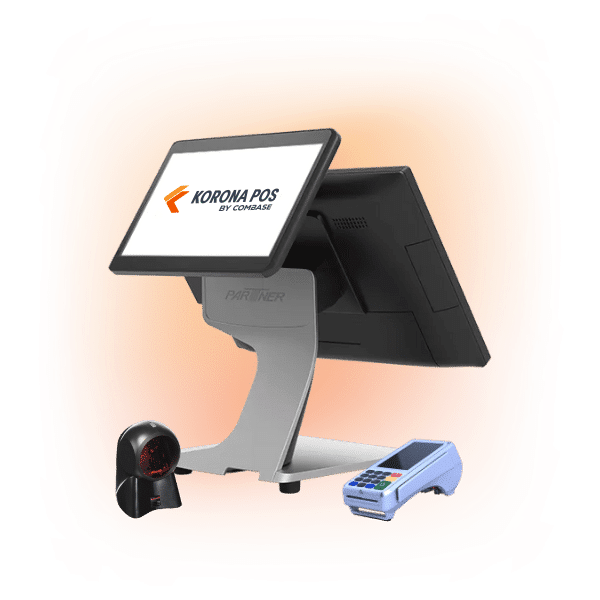
KORONA POS offers retail inventory management software tailored for high-volume and niche retail verticals like liquor stores, smoke shops, and gift boutiques. The system tracks inventory in real time, identifies slow-moving items, and generates detailed reports on product performance.
Built-in alerts notify you when items approach expiration dates or sit too long on shelves. KORONA POS also supports automated inventory management, setting reorder points, and preventing overstocking.
Speak with a product specialist and learn how KORONA POS can power your business.
Shopify POS
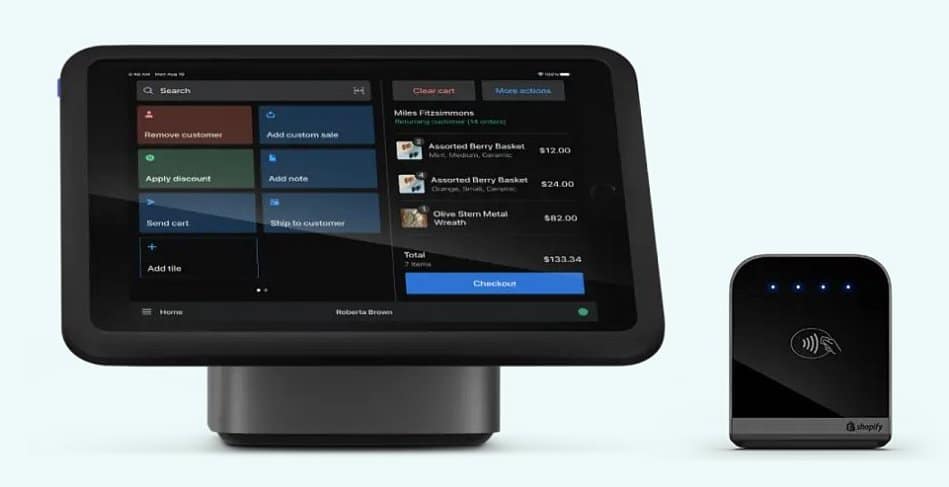
Shopify POS works well for small to medium retail stores and ecommerce businesses selling both online and in physical locations. The platform syncs inventory across all sales channels, preventing overselling and identifying dead stock through unified reporting. Built-in analytics show which products move quickly and which stagnate, helping you make informed purchasing decisions for your retail operations.
Square for Retail
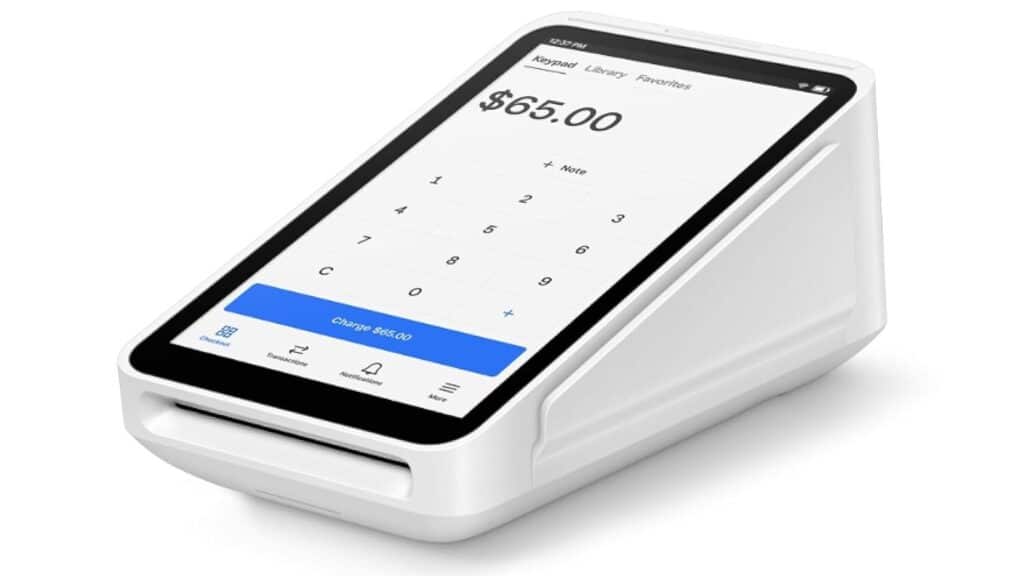
Square for Retail serves small boutiques, gift shops, and specialty stores needing straightforward inventory tracking. The system flags low stock and slow-moving items through simple dashboards.
Square integrates with online stores and offers basic reporting to spot dead stock early. Best suited for retailers with fewer than 10,000 SKUs looking for affordable, user-friendly solutions.
Cin7
Cin7 targets mid-sized retailers and wholesalers managing multiple warehouses or sales channels. The platform provides advanced inventory analytics, ABC analysis of inventory to categorize products by value, and automated reorder suggestions.
Cin7 excels at identifying dead stock across complex operations with numerous product lines and storage locations, helping businesses optimize their entire supply chain.
NetSuite ERP
NetSuite suits larger retailers and enterprises needing comprehensive business management beyond inventory. The ERP system includes sophisticated demand planning, inventory optimization, and financial reporting.
NetSuite identifies dead stock through predictive analytics and integrates with procurement, accounting, and customer management. Best for growing businesses ready to invest in enterprise-level technology to manage inventory challenges.
Zoho Inventory
Zoho Inventory serves online sellers and small businesses operating across multiple platforms like Amazon, eBay, and Shopify. The software centralizes inventory data in an inventory management database, tracks product aging, and automates stock alerts.
Zoho offers affordable pricing tiers and integrates well with other Zoho business tools, making it ideal for budget-conscious multi-channel retailers.
Fishbowl Inventory
Fishbowl focuses on manufacturers and wholesalers who also sell at retail. The system tracks raw materials, finished goods, and sales inventory simultaneously. Fishbowl handles complex inventory needs, including lot tracking, expiration dates, and multi-location management.
Understanding the 10 types of inventory management systems helps determine if Fishbowl’s manufacturing-focused approach fits your business model.
Lightspeed
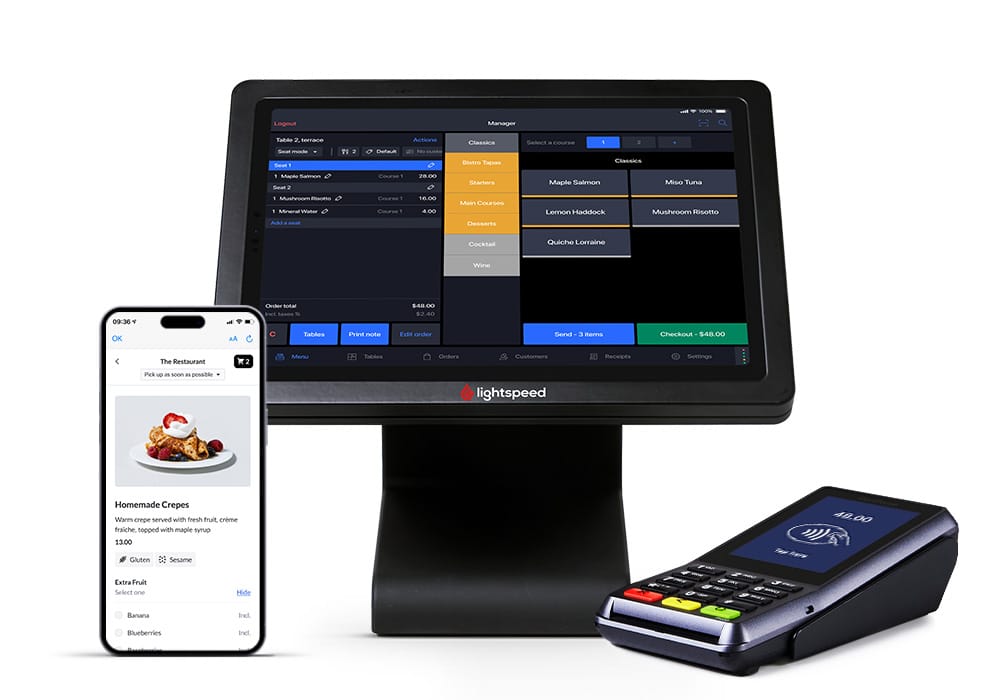
Lightspeed serves fashion retailers, sporting goods stores, and home decor shops with seasonal inventory challenges. The platform tracks inventory by variant (size, color, style) and identifies dead stock at the SKU level.
Business owners often review KORONA POS vs Lightspeed to compare how each handles complex product variations. Lightspeed offers customer loyalty integration and detailed sales reporting.
Best franchise reporting systems often include Vend for multi-location retail chains needing standardized inventory control.
Examples of Dead Stock Across Industries
Dead stock affects every retail sector differently. Understanding how various industries encounter unsold inventory helps you anticipate challenges specific to your business and implement targeted prevention strategies.
Fashion and Apparel
Clothing retailers face dead stock when trends shift unexpectedly, or seasonal items don’t sell.
WATCH OUT
Last season’s styles, incorrect size distributions, and overestimated color preferences lead to unsold inventory.
Fast fashion amplifies the problem as trends change within weeks, leaving perfectly good merchandise outdated and unsellable at full price.
Electronics and Technology
Tech retailers struggle with rapid product obsolescence. New model releases instantly devalue previous versions, creating a dead stock of older smartphones, laptops, and accessories.
WATCH OUT
Extended warranties on slow-moving electronics add carrying costs while products lose value daily, compounding losses from initial overordering.
Grocery and Convenience Stores
Perishable goods like dairy, produce, and baked items become dead stock quickly when they spoil. Seasonal foods, discontinued product lines, and items nearing expiration dates require constant monitoring. Poor rotation practices or inaccurate demand forecasting lead to significant waste, particularly during holidays when stores overstock specialty items.
Liquor Stores
Understanding how liquor stores can manage inventory prevents dead stock from limited-edition spirits, slow-moving wine varietals, and oversized bottles that don’t sell.
watch out
Seasonal cocktail ingredients, promotional beer packs, and gift sets often linger past their prime selling periods, tying up valuable shelf space and capital.
Home Goods and Furniture
Furniture stores accumulate dead stock from discontinued product lines, floor models, and trend-based items like specific color palettes or design styles. Bulky items occupy expensive warehouse space while depreciating in value. Seasonal decorations and holiday-specific merchandise often remain unsold after peak periods.
Sporting Goods
Sports retailers face dead stock with seasonal equipment, team merchandise for eliminated playoff teams, and fitness fads that fade quickly. Oversized orders of seasonal gear, such as skis, surfboards, or camping equipment, become problematic when weather patterns shift or consumer interest wanes unexpectedly.
Beauty and Cosmetics
Cosmetics retailers deal with dead stock from expired products, discontinued shades, and trend-driven items. Seasonal collections, limited-edition collaborations, and products with short shelf lives require careful ordering. Changes in beauty trends or ingredient preferences can quickly render entire product lines unsellable at original prices.
Pet Supplies
Pet stores encounter dead stock of seasonal items, breed-specific products, and oversized packaging that doesn’t align with customer preferences.
PRO TIP
Holiday costumes, specialized diets that lose popularity, and discontinued toy lines create inventory challenges. Perishable treats and foods add urgency to moving slow sellers.
Multi-Location Retail Chains
Running a successful multi-store retail business requires balancing inventory across locations. Dead stock accumulates when certain stores overorder or when demand varies significantly between locations. Centralizing inventory visibility helps redistribute slow movers before they become completely unsellable across your entire operation.
Try All-in-One POS System to Simplify Retail Management
KORONA POS serves specialty retailers, liquor stores, convenience stores, and grocery businesses with comprehensive inventory management capabilities.
The system tracks stock levels automatically, monitors product performance, and alerts you to slow-moving items before they become dead stock. Features include automated reordering, expiration date tracking, and detailed analytics that show exactly what’s selling and what’s stagnating.
Our dedicated customer support team helps you optimize inventory processes and reduce waste.

The more I learn to use KORONA POS, and with the help of awesome customer support, the more I believe this POS system is a very good fit for so many types of businesses out there. What I love the most about this software is the 24/7 customer service and reporting function which are so easy to use.
-Kevin L.
Schedule a demo with one of our product specialists or call us at 833-200-0213 to see how KORONA POS eliminates dead stock challenges.
Speak with a product specialist and learn how KORONA POS can power your business.
FAQs
Can you buy dead stock?
It is possible to buy dead stock if you are a small business that does not have the capital to purchase the minimum quantity required by large suppliers. Etsy, for example, is an ideal platform to buy unique dead stock fabrics. Most dead stock, though, is bought by clearance or liquidation retailers who buy it in bulk. It is much for unusual for individual consumers to purchase dead stock.
How do you sell dead stock items?
Retailers have several solutions for selling dead stock. These solutions include offering bundled products, a free gift with purchase, partnerships, donations, and liquidation companies.
What’s the difference between dead stock vs. excess inventory?
Dead stock cannot be sold at all due to expiration, damage, or obsolescence. Excess inventory simply means you have more than you need right now but can still sell it eventually, just slower than anticipated.