


Attracting visitors to an amusement park isn’t just about big rides or flashy ads—it’s about making the entire experience easy and memorable. The most effective amusement park marketing strategies combine digital ticketing, targeted promotions, and loyalty programs that keep guests coming back.
In this guide, we’ll walk through the marketing strategies that actually drive attendance and revenue. You’ll see how parks use data, promotions, and POS tools to turn first-time visitors into repeat guests.
Key Takeaways:
- The best amusement park marketing strategies focus on making it easy for people to visit, spend, and come back again.
- Online ticket sales, loyalty programs, and smart retail planning consistently increase attendance and per-guest revenue.
- A POS system that connects tickets, retail, and loyalty—like KORONA—helps parks run promotions more smoothly and at scale.
Best Theme Park Marketing Strategies
The most effective theme park marketing strategies focus on making it easy for guests to visit, spend, and return. Parks that align ticketing, retail, and loyalty around real customer behavior consistently see stronger attendance and higher per-guest revenue.
Strategy #1: Make Online Ticket Sales the Front Door
Selling tickets online removes friction at the very first step of the guest journey and gives parks more control over demand. When parks follow proven approaches for selling tickets online, they can promote advance purchases, timed entry, and bundled offers while reducing congestion at the gate.
Online ticketing also gives marketing teams early insight into buying patterns. This makes it easier to adjust promotions before peak days rather than reacting after they pass.
Strategy #2: Use Loyalty Programs to Drive Repeat Visits and Spend
Loyalty programs increase revenue by rewarding guests for coming back and spending across tickets, food, and merchandise. Parks that structure loyalty initiatives around increasing repeat attendance often see measurable gains in amusement park revenue through loyalty programs.
When loyalty is managed through POS-based loyalty programs, guest visits and purchases are tracked automatically. Connecting loyalty to customer relationship management tools enables marketing teams to personalize offers based on real behavior rather than guesswork.
Strategy #3: Turn Gift Shops into a Strategic Revenue Channel
Gift shops perform best when they’re intentionally designed as part of the guest experience, not just an exit point. Parks that understand how to run a gift shop focus on the right mix of impulse items, branded merchandise, and seasonal products.
Strong retail performance also depends on smart assortment planning in retail, ensuring shelves reflect what guests actually buy. When pricing decisions are guided by tools like a retail price calculator, parks can protect margins while staying competitive.
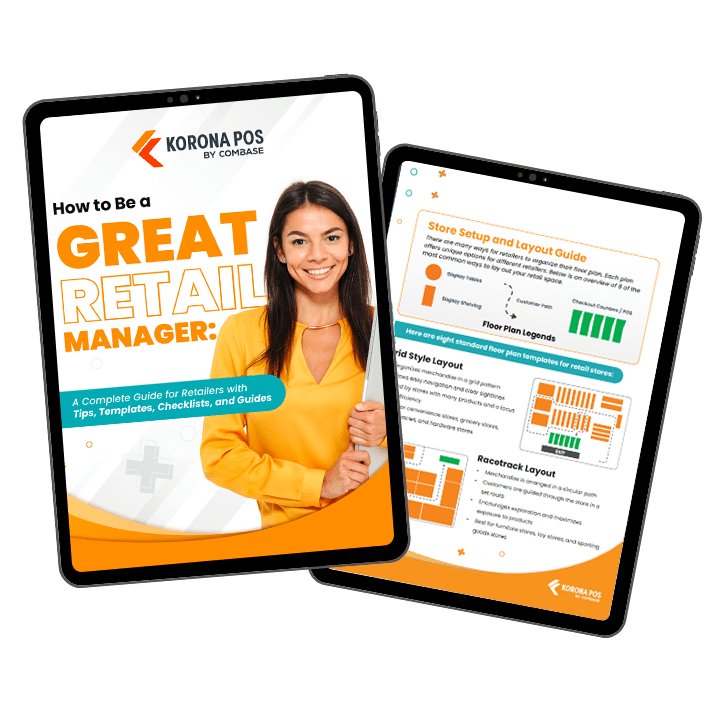
Free printable templates and checklists to help you manage retail operations with ease
Strategy #4: Let Sales Data Shape Promotions and Pricing
The most effective promotions are built on real purchasing behavior rather than assumptions. By analyzing ticket, food, and retail sales together, parks can identify which offers increase total spend and which simply shift purchases.
This data-driven approach leads to smarter discounts, better bundles, and fewer missed revenue opportunities. Marketing becomes more predictable when pricing decisions are tied directly to sales outcomes.
Strategy #5: Coordinate Marketing Across Multiple Locations
Running marketing campaigns across multiple parks requires consistency without losing local flexibility. A multi-store POS system allows operators to manage pricing, promotions, and loyalty programs centrally while still adapting to regional demand.
This setup helps marketing teams compare performance across locations and scale what works. It also keeps customer and loyalty data unified as operations grow.
Measuring Success of Marketing Campaigns
Successful amusement park marketing is measured by how well campaigns translate into real-world results like attendance, ticket sales, engagement, and membership or loyalty growth. Tracking these KPIs together shows not just how many people visited, but how deeply they engaged and how often they returned.
Using POS data helps parks connect marketing efforts directly to revenue and guest behavior across tickets, food, and retail. With built-in POS reporting and analytics, teams can see which promotions drive results and adjust campaigns quickly without relying on guesswork.
Challenges in Theme Park Marketing
Theme park marketing is shaped by seasonal demand, intense competition, and the complexity of managing ticketing, retail, and promotions at the same time. Without the right systems, even strong campaigns can fall short.
Challenge #1: Seasonality and Attendance Swings
Attendance can change dramatically due to weather, school schedules, and tourism trends. Parks facing these swings often rely on flexible pricing and promotions similar to those used by water parks to stabilize revenue during slower periods.
Challenge #2: Managing On-Site Retail and Events
Running promotions alongside retail sales and special events adds operational pressure. Parks that host frequent retail events need systems that can handle high volume while keeping inventory, pricing, and promotions aligned.
Challenge #3: Scaling Marketing Across Locations or Franchises
Marketing becomes more complex as parks grow or operate under franchise models. Following proven franchise marketing best practices is easier when supported by POS systems designed for multi-location and franchise management.
Smaller operators also need tools that scale without added complexity, which is why many rely on POS systems built for small businesses that still support multi-location visibility.
Simplify Promotions and Drive Attendance with KORONA POS
Running effective promotions is easier when ticketing, retail, and loyalty all work together in one system. KORONA POS helps amusement parks manage campaigns, track results, and adjust offers in real time without adding operational complexity.
If you’re ready to streamline promotions and improve guest experiences, explore how KORONA POS supports growing ticketing and entertainment venues.
Frequently Asked Questions
Most parks see better results when campaigns are planned several months ahead, allowing time to promote advance ticket sales and adjust offers based on early demand.
Limited-time bundles, local discounts, and event-based offers tend to perform well when overall attendance is lower.
Using sales data to test and refine offers helps parks strategically discount rather than rely on broad price cuts.