


Payment processing is a confusing world and often one of the most frustrating hurdles for new merchants trying to get their store up and running. Contracts are confusing, rates notoriously lack transparency, and different merchants have varying needs, despite the industry being one-size-fits-all.
This blog will provide an overview of merchant accounts, what a high-risk account entails, and how to open a high-risk merchant account. We promise: it’s not as overwhelming as it first appears!
What Is a Merchant Account?
A merchant account is the account a merchant sets up to process payments at their business. This term is often used interchangeably with merchant service provider, payment processor, or credit card processor.
In some cases, these accounts are owned, and therefore directly tied, to the merchant’s POS solution (for merchants using Square or Clover, for instance). In other cases, the merchant is using a payment processing agnostic system and can integrate their processing with a number of third-party merchant accounts (for merchants using KORONA POS or POS Nation, for instance).
Check out how payment processing works, how to integrate your payment processing, and how to lower your business’s processing fees.
What Determines If the Merchant Account is High-Risk?
A high-risk merchant account is simply determined by the type of merchant and what they sell. The payments industry is highly regulated (at both local and federal levels) and has determined that merchants selling certain types of products are deemed to be higher risk due to higher rates of chargebacks, fraud, or legal scrutiny.

Characteristics of High-Risk Transactions
Below are a few other characteristics of common types of businesses that are determined to be higher risk:
- Many online sales
- International transactions
- High-ticket items
- Typical shoppers with bad credit
- Subscription-based businesses
- Highly-regulated industries/products
- New businesses
Payment processors giving you trouble?
We won’t. KORONA POS is not a payment processor. That means we’ll always find the best payment provider for your business’s needs.
Common Industries Needing High-Risk Processing
There are also some specific industries that are traditionally deemed to have higher rates of higher-risk transactions. For these businesses, it’s usually more challenging to open an account, more expensive to process transactions, and comes with a higher chance of an account getting closed for regulatory reasons.
Below are some of the most common business types that require a high-risk processor:
- eCommerce stores
- Tobacco / smoke / vape shops
- CBD stores
- Cannabis dispensaries
- Adult entertainment / websites
- Gambling / lottery
- Travel website
- Firearms retail
What Are the Steps Needed for Opening a High-Risk Merchant Account?
Despite it being slightly more cumbersome than opening a traditional merchant account, there are just a few simple steps to take to open an account if you run a business requiring higher-risk processing.
Step 1 – Determine if your business has a high-risk profile: First, it’s important to figure out if your business requires a high-risk account at all. Check with a local bank if you are unsure.
Step 2 – Research different processors, including high-risk options: Start shopping around for competitive rates and see what your options are. In addition to looking for good rates, focus on finding industry specialization, transparency, reliable customer support, flexible contractual terms, experience, and reputation.
Step 3 – Get the right documents together: Gather your financial statements for your business, get a copy of your business license, document any processing history (particularly chargebacks), obtain all personal identification for yourself and any partners.
Step 4 – Complete any necessary applications: Once you have decided on a merchant service provider, complete all application steps to apply for a high-risk merchant account.
Step 5 – Negotiate the rates: Remember that all processing agreements are negotiable. Discuss rates with various solutions and compare competitive rates.
Find out how much you’re spending.
Step 6 – Establish terms, particularly for chargeback protection: With higher levels of regulation and risk, it’s essential to have clear terms in your processing agreement and demonstrate to the processor that you have a robust chargeback mitigation plan. It’s crucial to prevent sudden account freezes, ensuring your business maintains reliable processing and continues to accept card payments.
Step 7 – Ensure proper compliance: Compliance is one of the most important steps in this process. All processors should be PCI DSS compliant, but always double-check to be sure.
Step 8 – Test payment acceptance: Try a few test transactions to make sure the processing is set up correctly, batching at the end of the day, and that funds are being transferred to your business account correctly.
Step 9 – Keep monitoring the performance: This is the most important step. Don’t assume your processing is always running perfectly. Check your accounts regularly to make sure Step 8 is always functioning properly.
Flexibility to Find a Better Merchant Service Provider
Many point of sale systems also act as processors. In fact, it’s how they generate most of their revenue (ever wonder how Fortune 500 companies like Square can afford to offer “free” POS systems?). This means less flexibility, freedom, and profit for the merchant. Plus, it can also come with the consequences of having a provider with less specialization, like frozen bank accounts.
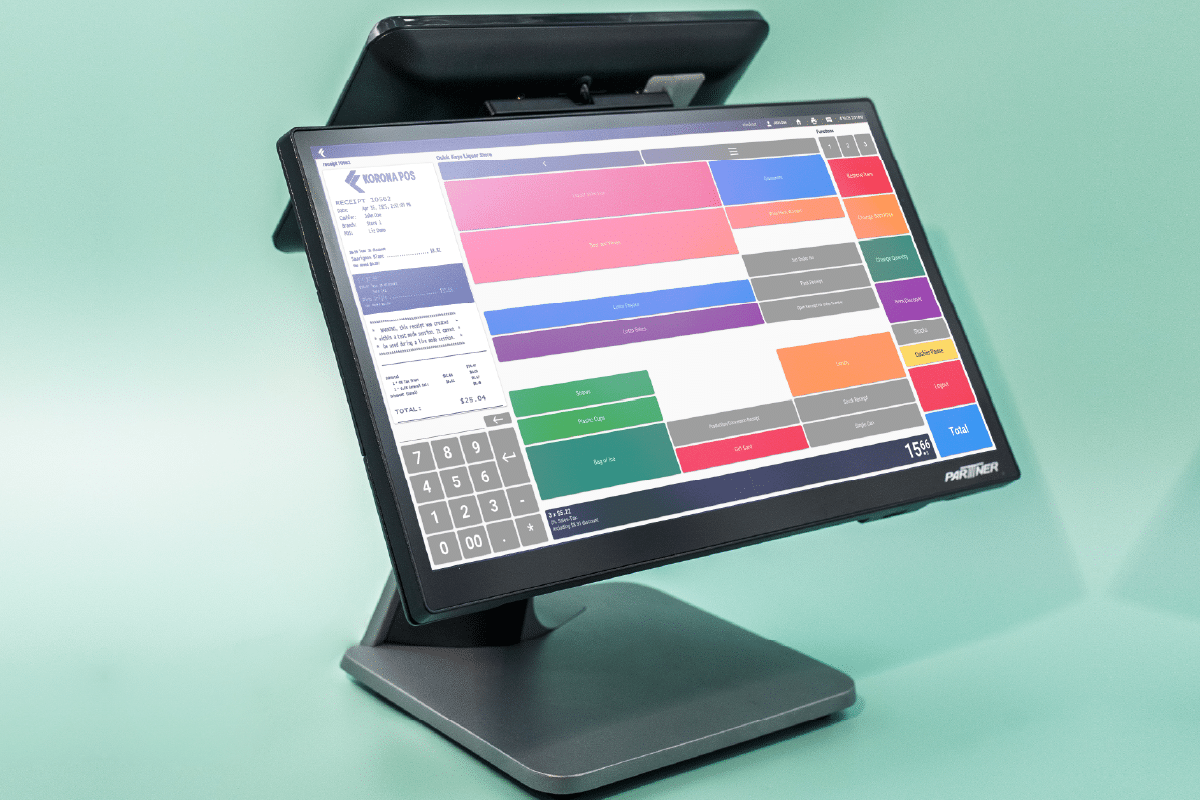
With POS systems like KORONA POS, merchants have the freedom to find the ideal processing solution for their specific needs. KORONA POS works with hundreds of different processors, including those specializing in high-risk industries. And since KORONA isn’t a processor, that means its focus is on developing the best point of sale software in the industry.
Click below to learn more.