

Best Automated Inventory SystemS: A Quick Look
- KORONA POS: Best for Specialty Retail Stores
- Cin7: Best for Multi-Channel E-Commerce Brands
- Fishbowl Inventory: Best for Manufacturers Using QuickBooks
- Lightspeed Retail: Best for Retailers with Complex Product Variants
- Shopify POS: Best for D2C Brands Selling Online + In-Store
- Odoro: Best for E-Commerce Fulfillment
- Zoho Inventory: Best for Small Businesses on a Budget
If you’ve ever dealt with a surprise stockout on your best-selling product, or discovered you’ve been sitting on dead inventory for months, you already know how costly manual inventory management can be. Tracking stock by hand, wrestling with spreadsheets, and reordering on gut instinct costs retailers thousands of dollars a year in lost sales, overstocking, and wasted labor hours.
The good news: automated inventory management systems have become more powerful and more affordable than ever. In this guide, we’ve reviewed the 7 best automated inventory management software on the market. By the end, you’ll know exactly which system fits your operation.
7 Best Automated Inventory Software: A Quick Overview
| Product | Best for | Standout feature | Price |
|---|---|---|---|
| KORONA POS | Specialty retail stores | Automated reordering + age verification | From $59/mo |
| Cin7 | Multi-channel e-commerce brands | 700+ native integrations | From $349/mo |
| Fishbowl Inventory | Manufacturers using QuickBooks | Deep QuickBooks + BOM integration | $229 USD/mo. billed annually |
| Lightspeed Retail | Omnichannel retail chains | Matrix inventory + variant management | From $89/mo |
| Shopify POS | D2C brands selling online + in-store | Native Shopify sync | From $39/mo |
| Ordoro | E-commerce fulfillment | Automated dropshipping + order routing | From $349/mo |
| Zoho Inventory | Small businesses on a budget | Affordable multi-channel tracking | From $29/mo |
How we ranked these POS Systems:
Our rankings are based on verified user reviews from G2. We looked at overall rating scores, review volume, and recurring themes in users’ praise and flags. We excluded products with fewer than 25 reviews. We don’t accept payment for placement. If a product ranks here, it’s because real users said so.
1. KORONA POS: Best for Specialty Retail Stores
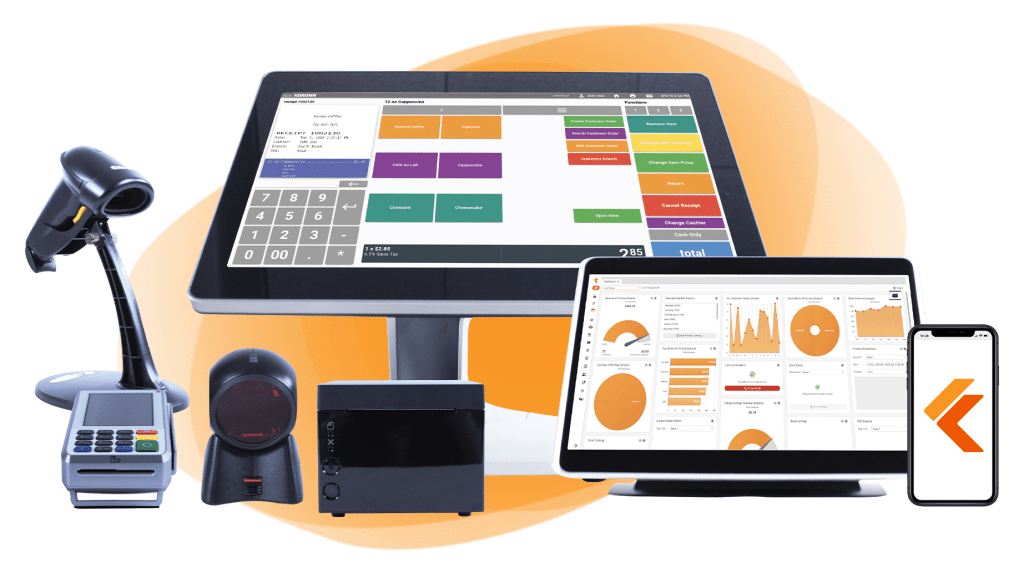
KORONA POS has built a loyal following among specialty and high-risk retailers (think liquor stores, vape shops, smoke shops, cannabis dispensaries, and convenience stores) thanks to its combination of deep inventory automation, compliance tools, and payment processor flexibility.
KORONA doesn’t lock you into a proprietary payment processor, meaning you can shop for the best rates independently. There are no contracts, no setup fees, and a money-back guarantee.
Key Features
- Multi-Location Inventory Sync: Even if you run a franchise or stores on opposite coasts, KORONA POS lets you manage a single unified product catalog across all locations. Inventory transfers, pricing changes, and new product additions apply everywhere. The software offers reporting and analytics for all locations in one place.
- Automated Reordering Based on Sales Data: KORONA proactively recalculates ideal reorder points by analyzing purchase history, seasonal trends, and demand fluctuations. The system recommends optimal order quantities and frequencies so you can minimize excess stock while avoiding costly stockouts.
- ABC Inventory Grading: KORONA POS automatically segments your product catalog into A, B, and C tiers based on sales velocity and profitability. This lets managers immediately identify their highest-value movers and their slow-moving dead stock and take action accordingly.
Pricing
| Plan | Price |
|---|---|
| KORONA Core | $59/month per terminal |
| KORONA Retail (advanced inventory) | $79/month per terminal |
| Add-on modules (food, franchising, ticketing, invoicing, API) | $10–$50/month each |
All plans include unlimited users, 24/7 US-based customer support, a customizable dashboard, e-commerce integration, gift cards, and a 60-day money-back guarantee. No contracts. No hidden fees. Payment processing fees vary by the processor you choose, but all merchants have the freedom to pick any PCI compliance provider.
Where KORONA POS Shines
- Compliance features for regulated retail: No other POS system in this price range offers the combination of age-verification scanning, high-risk payment processor integration, and item-level compliance controls that KORONA does. For liquor stores, vape shops, and convenience stores, these are essential.
- Choose your payment processor: Merchants can negotiate independently for the best rates rather than being locked into proprietary processors. For high-volume stores, this difference can translate to thousands of dollars saved per year.
- Sophisticated inventory automation without enterprise pricing: Features like ABC grading, automated reorder-point optimization, vendor shipment notifications, and RFID self-checkout are typically found in systems costing hundreds more per month.
Where KORONA POS Falls Short
- Steeper learning curve than simpler POS systems: KORONA’s extensive features come with complexity. The software was originally designed in Germany, and some of the terminology and button sequencing can feel unfamiliar to users used to simpler systems like Square.
- Per-terminal pricing adds up for larger operations: Businesses with many registers across multiple locations will see costs scale accordingly, making it worth calculating the total cost before comparing to flat-rate competitors.
Customer Reviews
😊
“What really sets KORONA apart is its ease of use combined with its flexibility. Whether it’s tracking sales, managing inventory, or generating in-depth reports, everything is right at your fingertips. The cloud-based platform makes it easy to access our data from anywhere, and the real-time updates are a game-changer for multi-location management.”
–Verified User (Source: G2)
😖
“The interface could be more modern, reporting customization is somewhat limited, and advanced features can take time to learn for new users. Some workflows could be streamlined to reduce clicks, integrations with third-party apps could be expanded, and more built-in templates or guided setup would help new users get started faster.”
–Johny B. (Source: G2)
Who KORONA POS is Best For
- Specialty- and high-risk specialty retailers: Liquor stores, vape shops, smoke shops, cannabis retailers, and convenience stores that need built-in compliance tools and flexible payment processing
- Retailers frustrated with processor lock-in: Any store owner tired of paying inflated rates to Square, Clover, or Toast who wants to negotiate their own processing deals without switching POS software
- Quick-service restaurants and ticketing businesses: With optional food and ticketing add-on modules, KORONA POS also serves QSRs, museums, theme parks, and wineries looking for an inventory-first solution
Schedule a KORONA POS Demo Today
Speak with a product specialist and learn how KORONA POS can power your business needs.
2. Cin7: Best for Multi-Channel E-Commerce Brands
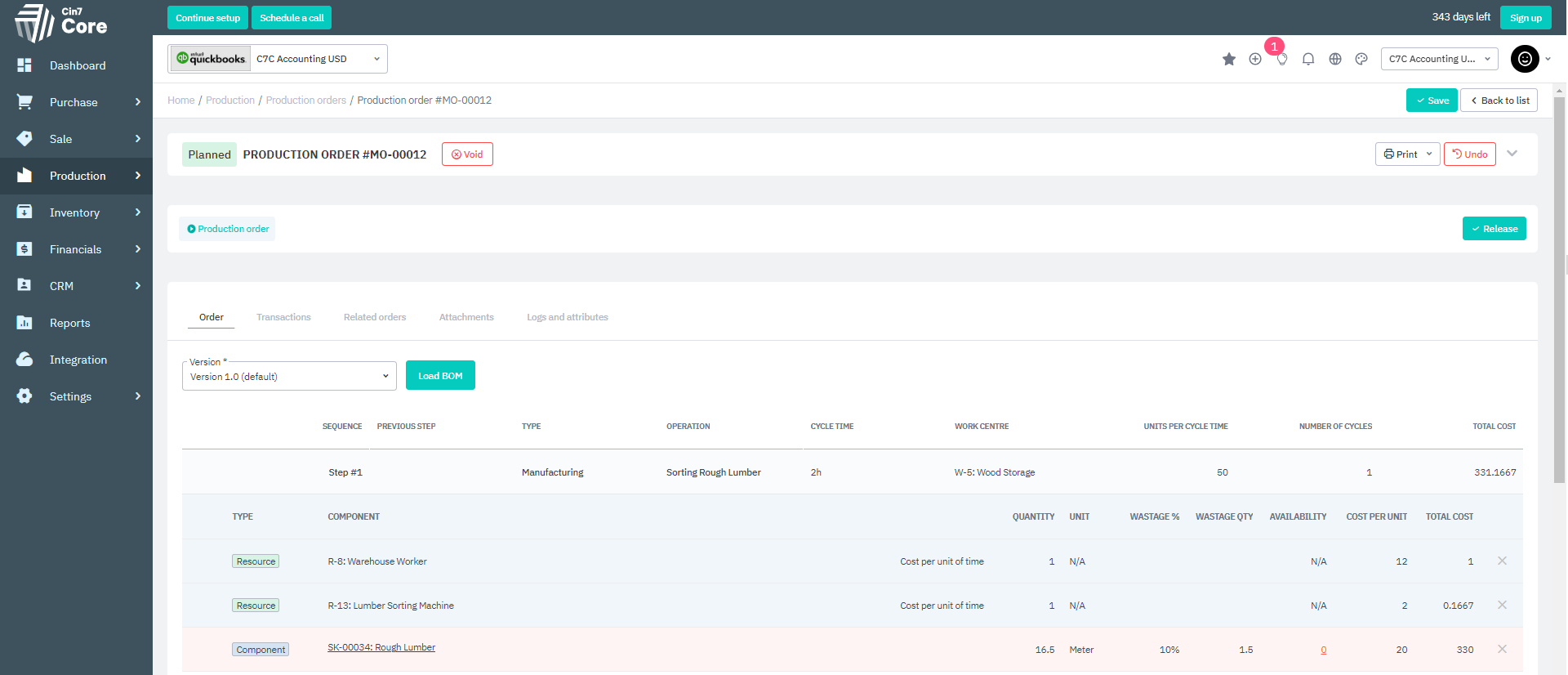
Cin7 is a cloud-based inventory management and order management platform built for product businesses that sell across multiple channels, from Shopify and Amazon to physical stores and B2B wholesale accounts.
With over 1,000 native integrations and a unified dashboard that syncs inventory across every sales channel in real time, Cin7 is the go-to solution for growing brands that have outgrown spreadsheets or entry-level tools and need a single source of truth for inventory, orders, and fulfillment.
Key Features
- Real-time multi-channel inventory sync: When a sale happens on any channel (online marketplace, in-store POS, or wholesale portal) Cin7 instantly updates inventory counts everywhere. This prevents overselling and ensures accurate stock visibility at all times.
- Built-in demand forecasting (ForesightAI): Cin7’s AI-powered demand forecasting tool analyzes historical sales data to predict future demand, suggest optimal reorder points, and flag inventory risks before they become stockouts.
- B2B wholesale portal: A customizable portal lets wholesale customers place orders using their own pricing tiers and discount structures, without requiring your team to manage them manually.
Pricing
| Plan | Price |
|---|---|
| Cin7 Core (small business) | From $349/month |
| Cin7 Omni (enterprise, custom) | Contact for pricing |
Where Cin7 Shines
- Omnichannel coverage without duct tape: Cin7 was designed from the ground up for multi-channel commerce. Most competitors require third-party integrations or manual workarounds to sync online and offline inventory. Cin7 handles it natively.
- Reporting and analytics depth: Cin7’s reporting module is frequently cited as best-in-class, with interactive dashboards tracking KPIs, orders, purchases, inventory levels, and returns — all in one place with customizable date ranges.
Where Cin7 Falls Short
- Price point is steep for small businesses: Starting at $349/month, Cin7 is priced for brands with meaningful revenue and order volume. Small retailers or single-location stores are likely better served by more affordable tools.
- Implementation complexity: Out-of-the-box customization can be limited, and roughly 75% of users who mentioned customization noted it required technical assistance or additional cost to configure properly.
- Can be overkill for simple retail: If you’re running a straightforward brick-and-mortar store without significant e-commerce, Cin7’s complexity and price may not be justified.
Customer Reviews
😊
“Cin7 Core unifies our entire inventory and sales operations under one platform, which has been invaluable for our multi-channel setup. We love how straightforward it is to monitor stock levels, sync orders from Shopify and Amazon, and track profitability all in real time. Plus, the native integrations with QuickBooks Online and ShipStation save us hours each week since we no longer have to juggle multiple spreadsheets or manually update separate systems.” –Pierre G. (Source: G2)
😖
“We contacted Cin7 over a month ago to cancel our account. After calls with three salespeople, onboarding teams, and more, not once did anyone mention that cancellation had to be initiated via a button hidden in our account. As a result, we’ve now been charged another ~$1,000 for a product we never used, on top of the $2–3k we spent initially just to get set up. This lack of transparency in the cancellation process is unacceptable.” –Will B. (Source: G2)
Who Cin7 is Best For
- Growing D2C and omnichannel brands selling across Shopify, Amazon, and wholesale accounts who need one unified system
- Wholesale and B2B businesses that need automated order management and customer-specific pricing without building custom solutions
- Brands replacing Fishbowl that want a cloud-native, mobile-accessible platform without desktop architecture limitations
3. Fishbowl Inventory: Best for Manufacturers Using QuickBooks
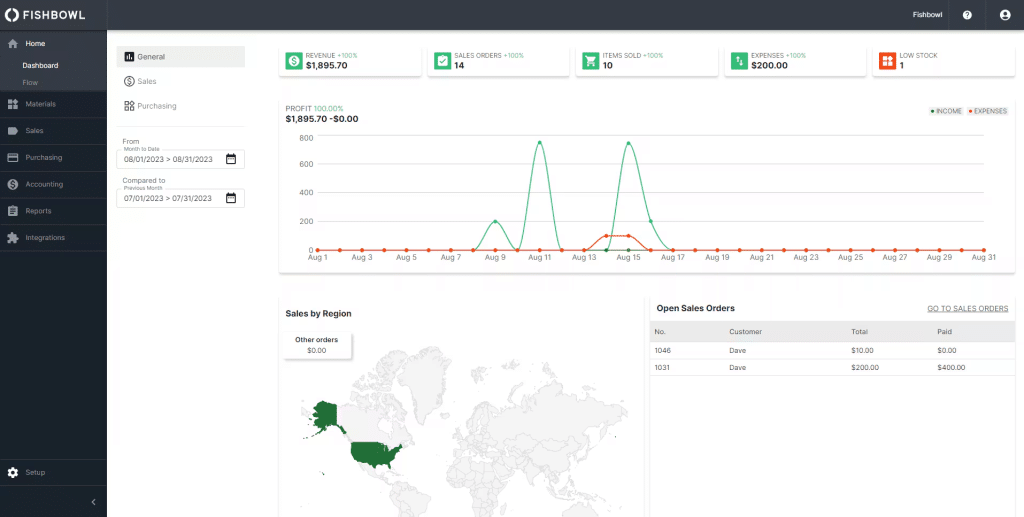
Fishbowl Inventory is one of the longest-standing inventory management platforms in the market, built primarily for manufacturers, distributors, and warehouse-intensive businesses that run QuickBooks for accounting. If your business involves bill-of-materials tracking, work orders, or complex assembly processes, Fishbowl’s manufacturing capabilities are among the most robust available at its price point.
Key Features
- Deep QuickBooks integration: Fishbowl was designed specifically to extend QuickBooks. When inventory is received or shipped, financial records update in QuickBooks automatically, thereby eliminating double entry and keeping accounting synchronized.
- Barcode scanning and warehouse management: Barcoding workflows support receiving, picking, packing, and shipping processes, with intelligent routing and asset management to streamline warehouse operations.
- Lot and serial number tracking: For businesses in regulated industries or those managing warranties, Fishbowl tracks product history at the lot and serial number level.
Pricing
| Plan | Price | Standout features |
|---|---|---|
| Essentials | $229/mo (2 users) | Inventory tracking, item & SKU management, cycle counts |
| Growth | $429/mo (5 users) | Core fulfillment support, shipping tools, AI reporting |
| Scale | $729/mo (10 users) | Advanced permission control, forecasting & demand planning, advanced AI capabilities |
| Advanced | Custom pricing | Payment processing, audit trail reporting, complex fulfillment, advanced manufacturing module |
Where Fishbowl Inventory Shines
- Manufacturing features: Fishbowl’s dedicated manufacturing module is more comprehensive than anything Cin7 or Lightspeed offers at comparable price points, making it the top choice for product businesses with assembly or production workflows.
- Trusted QuickBooks alignment: For businesses that live in QuickBooks, Fishbowl’s native integration is more reliable and feature-complete than most third-party connectors.
Where Fishbowl Inventory Falls Short
- Desktop-first architecture limits mobility: Fishbowl was built for desktop, requiring VPNs or remote desktop setups for off-site access — a meaningful limitation compared to cloud-native alternatives.
- Less suited for e-commerce or multi-channel selling: Fishbowl’s integration library, while solid, doesn’t match the breadth of Cin7’s 1,000+ connections. Brands with heavy e-commerce operations may find it restrictive.
- Higher upfront cost: Fishbowl typically requires a significant initial investment, making it less accessible for smaller businesses just getting started with inventory automation.
Customer Reviews
😊
“My team is using Fishbowl Inventory Software to track our manufactured inventory as a company that utilizes thousands of raw goods and sells hundreds of our finished goods. This software is really helpful for tracking where, how much, when, and what exactly I shipped to our clients. Additionally, Fishbowl seems to be very helpful in pulling out different types of reports, which basically keep a history of each and every unit entering and leaving our facility.” –Verified Retailer (Source: G2)
😖
“Fishbowl is not a good fit for food manufacturing. It struggles with the complexity of changing production schedules, frequent changeovers, and seasonal volume swings. The system is rigid and better suited to stable, repeatable orders than to dynamic food production.” –Verified User in Food Production (Source: G2)
Who Fishbowl Inventory is Best For
- Small-to-midsize manufacturers tracking production, assemblies, and work orders alongside inventory
- Distributors deeply embedded in QuickBooks that need real-time financial sync without switching accounting platforms
- Warehouse-intensive operations that need barcode-driven pick-pack-ship workflows and lot/serial tracking
4. Lightspeed Retail: Best for Retailers with Complex Product Variants
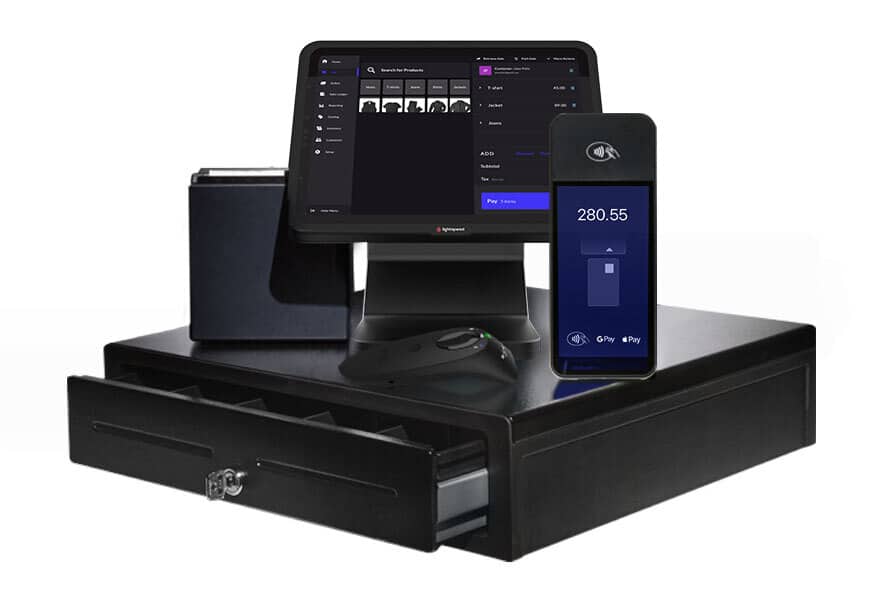
Lightspeed Retail is a cloud-based POS and inventory management system built for retail businesses that need to manage complex product catalogs across multiple locations and online channels. It excels in matrix inventory management (tracking product variants like size, color, and style) making it particularly well-suited for apparel boutiques, shoe stores, sporting goods retailers, and grocery chains.
Key Features
- Matrix inventory for product variants: Lightspeed’s variant management tracks every combination of size, color, and category in one product record, a critical capability for fashion and specialty retailers.
- Multi-location centralization: View and manage inventory across all store locations from one dashboard, with automated replenishment suggestions based on location-level sales performance.
- Detailed reporting: Built-in analytics tools track sales performance, product turnover, and inventory health by location, helping managers make data-driven restocking decisions.
Pricing
| Plan | Price |
|---|---|
| Basic (1 location, 1 register) | From $89/month |
| Core (1 location, 1 register) | $149/month |
| Plus (1 location, 1 register) | $289/month |
Where Lightspeed Retail Shines
- Variant and matrix inventory management is critical for retailers dealing with complex product attributes.
- Omnichannel unification makes Lightspeed a strong choice for retailers who need their online and physical store inventory in perfect sync without manual reconciliation.
Where Lightspeed Retail Falls Short
- Pricing scales quickly for businesses with multiple registers or locations. A 2-register Basic plan jumps to $148/month at a single location.
- Overkill for simple high-volume retail like convenience stores or liquor shops, which need compliance tools and payment flexibility more than variant management.
Customer Reviews
😊
“Powerful inventory management — Tracks products, variants, stock levels across locations, and helps automate purchase orders and reorder points, which is especially helpful for retailers with lots of SKUs.” –Andrew D. (Source: G2)
😖
“Their online support is terrible. No matter the issue, it takes hours of waiting. I have to stay at the computer because the chat will end if you take too long to respond… From something as simple as retrieving a tracking number, to getting an answer about malfunctioning hardware they supplied, it doesn’t matter. They will just respond, “Apologies for the response, I am still checking with the management team regarding this. Thank you for your patience.”
–Verified Retailer (G2)
Who Lightspeed Retail is Best For
- Apparel boutiques, shoe stores, and sporting goods retailers managing complex product variants and sizes
- Multi-location retail chains that need consolidated inventory visibility and cross-location transfer management
- Retailers with both physical and online stores who want a native omnichannel solution rather than separate platforms
5. Shopify POS: Best for D2C Brands Selling Online + In-Store

For brands that started online with Shopify and are expanding into physical retail, Shopify POS is the obvious path of least resistance. Because it’s built by Shopify, inventory sync between your e-commerce store and in-person sales is native and seamless without any integrations required.
Key Features
- Native Shopify inventory sync: Stock levels, product descriptions, and customer records are shared seamlessly between the online store and in-person POS. No third-party connector required.
- Unified customer profiles: Customer purchase history from both online and in-store transactions is combined into a single profile, enabling more personalized loyalty programs and marketing.
- Mobile-first hardware: Shopify POS runs on iPad and iPhone, making it easy to set up flexible selling environments at pop-ups, markets, or retail locations without expensive dedicated hardware.
Pricing
| Plan | Price | Standout features |
|---|---|---|
| Basic | $39/mo | Limited staff POS access, simple customer profiles, returns at original purchase location |
| Grow | $105/mo | Unlimited POS logins, simple customer profiles, returns at original purchase location |
| Advanced | $399/mo | Unlimited POS logins, lower card rates, international selling capabilities |
| Plus | From $2,300/mo | Rich customer profiles, returns at any location, staff roles & permissions, loyalty insights, inventory management, professional retail reports, omnichannel selling |
Where Shopify Shines
- Seamless for existing Shopify merchants — if you’re already on Shopify, adding POS is plug-and-play with zero inventory migration required.
- Strong mobile and flexible retail support for pop-ups, markets, and growing brands testing physical retail before committing to a permanent location.
Where Shopify Falls Short
- Limited advanced inventory automation compared to dedicated inventory systems. Shopify POS lacks features like ABC grading, automated reorder-point optimization, and vendor shipment notifications.
- Transaction fee structure can make costs unpredictable for high-volume stores not using Shopify Payments.
Customer Reviews
😊
“Shopify is my go-to solution for creating e-commerce websites via their headless and admin API. With their headless and admin API, everything becomes really flexible and easy to work with NextJS. I can freely design my UI and business logic with the power of NextJS while also leaving the complexities of making an inventory system, CMS, and product management part to Shopify.” –Aditya S. (Source: G2)
😖
“Transaction fees and app-related costs can add up as a store grows, particularly when you need multiple plugins to cover different functions. More advanced customization can also be limited unless you move to Shopify Plus or invest in custom development. In addition, checkout customization and some backend controls remain more restricted than on fully open-source platforms.” –Deepak K. (Source: G2)
Who Shopify is Best For
- Existing Shopify merchants expanding into physical retail for the first time
- D2C brands running pop-ups, seasonal markets, or new brick-and-mortar locations alongside their established online presence
6. Ordoro: Best for E-Commerce Fulfillment
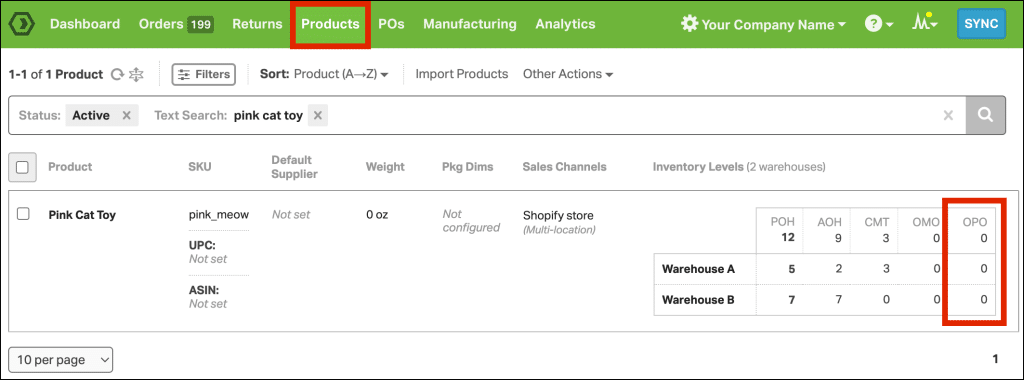
Ordoro is an order management and inventory platform purpose-built for online retailers to optimize their fulfillment operations. It automates order routing, supports dropshipping workflows, and integrates with all major sales channels and shipping carriers, making it one of the strongest tools for e-commerce brands that fulfill large order volumes across multiple warehouse locations.
Key Features
- Real-time inventory syncing: Stock levels update automatically across all connected sales channels (Shopify, Amazon, eBay, Walmart, Etsy, BigCommerce, WooCommerce, and more) the moment an order is placed or a receipt is logged.
- Automated order routing: Automatically route incoming orders to the correct warehouse, 3PL, or dropship supplier based on rules you define, which eliminates manual decision-making during high-volume periods.
- Kitting and bundling: Users can create and track product kits or bundles, with Ordoro automatically adjusting component-level inventory when a kit is sold, keeping counts accurate across all channels.
Pricing
| Plan | Starting Price | What It Does |
|---|---|---|
| Shipping | Free | Fulfill orders swiftly and accurately across all channels |
| Inventory | $349/month | Precisely track inventory across all stores and warehouses |
| Dropshipping | $299/month | Consolidate, automate, and oversee all dropship orders |
Where Ordoro Shines
- Dropshipping-first design: Ordoro’s native vendor portal and automated order routing make it one of the few platforms that treats dropshipping as a first-class feature, not an afterthought. Suppliers get direct access to their orders, can update tracking themselves, and the data flows back to your storefront automatically.
- Modular flexibility: Pay only for the apps you actually use (Shipping, Inventory, or Dropshipping), rather than bundled pricing that includes features irrelevant to your operation. This makes Ordoro significantly more cost-effective for businesses with focused needs.
Where Ordoro Falls Short
- Inventory pricing is steep for SMBs: The Inventory app starts at $349/month, noticeably higher than tools like Zoho Inventory or inFlow for businesses with straightforward stock management needs. The value is there for complex fulfillment operations, but simpler businesses may be overpaying.
- Reporting depth: Some users find the analytics and reporting features less comprehensive than competitors, requiring workarounds or third-party tools for deeper business insights into sales trends and inventory performance.
Customer Reviews
😊
“One of the most impressive features of Ordoro is its dropshipping from multiple vendors and suppliers, ensuring inventory management capability. It allows us to seamlessly coordinate orders with multiple vendors and suppliers, ensuring that our orders are received, processed, and shipped promptly and accurately. The automation of sending orders to vendors and the real-time tracking of these orders have significantly reduced our operational workload and improved our efficiency.” –Sean M. (Source: G2)
😖
“I wish some of the interfaces like that were more user-friendly for individually shipping orders. I would also like to have more of the Supplier SKU, Organization, and Customs Declarations information optionally available for each product on the main Products page.” –Karen H. (Source: G2)
Who Ordoro Is Best For
- Dropshipping-heavy businesses: Brands that rely on supplier fulfillment as a core part of their model and need a dedicated vendor portal, real-time tracking updates, and automated order dispatch to keep operations running smoothly.
- High-volume Shopify and Amazon sellers: Merchants on major platforms who need competitive shipping rates, real-time inventory syncing across channels, and barcode-driven fulfillment workflows to handle scale without adding headcount.
7. Zoho Inventory: Best for Small Businesses on a Budget
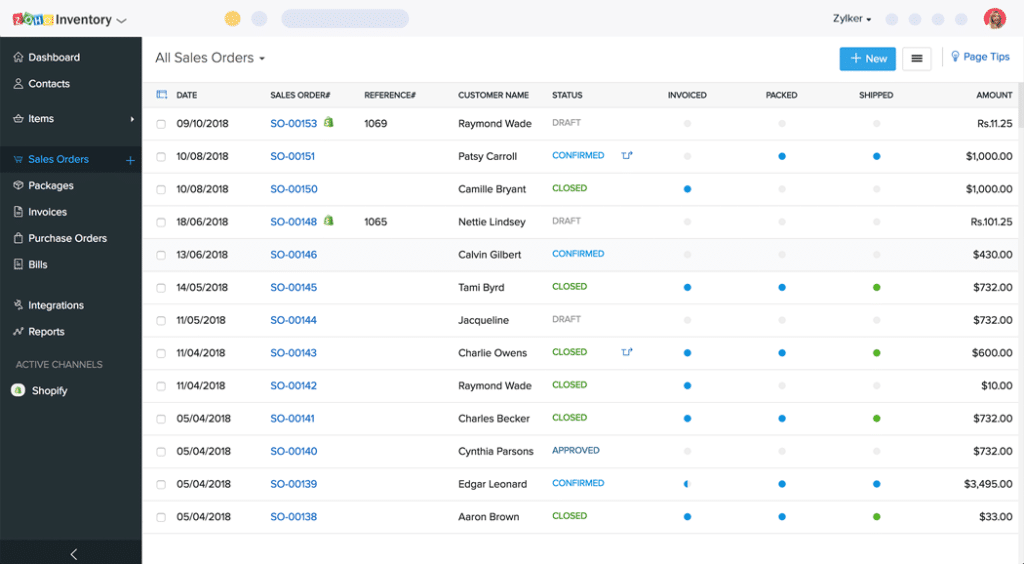
Zoho Inventory is an affordable, cloud-based inventory management tool that gives small businesses multi-channel tracking, basic automation, and solid reporting without the price tags of enterprise-grade platforms. It integrates with Shopify, Amazon, eBay, and Etsy, and connects natively to the broader Zoho suite, including Zoho Books (accounting) and Zoho CRM.
Key Features
- Multi-warehouse management: Track stock across multiple physical locations and warehouses, with transfer order management and consolidated reporting across all sites.
- Zoho ecosystem integration: Native, no-setup integration with Zoho Books, Zoho CRM, and Zoho Analytics gives businesses using the Zoho suite a truly unified view of inventory, orders, customers, and finances.
Pricing
| Plan | Price | Key Inclusions |
|---|---|---|
| Standard | $29/month billed annually |
500 orders/month, 2 users, 2 locations, composite items, dropshipment, backordering, item groups, customer portal |
| Professional | $79/month billed annually |
3,000 orders/month, 2 users, 4 locations, everything in Standard + serial number tracking, batch tracking, vendor portal |
| Premium | $129/month billed annually |
7,500 orders/month, 2 users, 6 locations, everything in Professional + contextual chat, UoM conversion, customization & automation, barcode generation, stock counting |
| Enterprise | $249/month billed annually |
15,000 orders/month, 7 users, 10 locations, everything in Premium + Zoho Analytics, multi-currency transactions for each contact |
Where Zoho Inventory Shines
- Unbeatable value at entry level: The $29/month Standard tier makes Zoho Inventory the most accessible starting point for early-stage businesses with limited budgets. Few competitors offer this level of functionality at this price point, making it the default recommendation for businesses just getting started.
- E-commerce channel coverage: Native integrations with Amazon, Shopify, eBay, and Etsy mean multichannel order management is largely automated from day one. No third-party connectors or per-integration fees are required.
Where Zoho Inventory Falls Short
- Occasional sync issues: Some users report intermittent inventory sync problems with Shopify and Amazon that require manual reconciliation, which partially undermines the platform’s multichannel automation pitch.
- Order-volume pricing model: Costs rise quickly as your business scales. The jump from Standard to Professional is significant, and high-volume sellers can find the upper tiers expensive relative to the incremental feature gains at each step.
Customer Reviews
😊
“I like that Zoho Inventory tracks my inventory and integrates with Zoho Books. Zoho Inventory also makes managing packing and shipping easy, while also providing updates to customers via email as the status changes.” –Thomas J. (Source: G2)
😖
“Its advanced features, such as serial number tracking and automation workflows, can be limited or locked behind higher-tier pricing plans.”
–Verified User in Accounting (Source: G2)
Who Zoho Inventory Is Best For
- Zoho ecosystem users: Businesses already running Zoho Books, Zoho CRM, or other Zoho apps will get significantly more value from native integrations that require zero additional setup or cost to activate.
- Multichannel sellers with moderate order volumes: Retailers selling across Shopify, Amazon, and eBay simultaneously who need affordable, centralized order management without enterprise-level complexity or price tags.
How To Choose an Automated Inventory Management System
With so many options on the market, choosing the right automated inventory system comes down to understanding what your business actually needs. Here are the four most important factors to evaluate before making a decision:
- Scalability and growth potential: Look for software that can grow with your business. Consider the number of products, locations, and users you have now and may have in the future.
- Integration capabilities: Evaluate how well the inventory software integrates with your existing systems, such as accounting software, eCommerce platforms, and POS systems.
- Inventory management features: Assess the software’s core inventory management features, including stock tracking, reorder level alerts, barcode scanning, and real-time inventory updates.
- Reporting and analytics: Robust reporting and analytics features are essential for making informed business decisions. Look for software that offers customizable reports, dashboards, and insights into inventory trends, sales patterns, and forecasting.
Choosing the Right Inventory Management System
Managing inventory manually drains time, cash flow, and team energy, but it doesn’t have to. The right POS system brings automated reordering, real-time stock syncing, and smarter product tracking together in one place, so you can stop putting out fires and start making more informed business decisions.
Whether you’re running a single storefront or juggling multiple locations, investing in automated inventory management is one of the most impactful steps you can take toward a more efficient, profitable operation.
FAQs: Automated Inventory Management Systems
Can small businesses use automated inventory management systems?
Yes — many automated inventory systems are designed specifically for small businesses. Tools like Zoho Inventory (from $29/month) and KORONA POS (from $59/month) offer powerful automation without enterprise price tags or complex implementation requirements.
Which is the best free automated inventory management system?
Zoho Inventory offers a free plan for very small operations, and Shopify’s basic plan includes rudimentary inventory tracking. However, truly automated features like reordering, multi-location sync, and ABC grading typically require a paid plan.
Which is the best automated inventory management system for small businesses?
For small retail businesses — especially specialty stores like liquor shops, convenience stores, and smoke shops — KORONA POS offers the best combination of automation depth, compliance features, and affordability starting at $59/month with no contracts.Share