

Starting a retail business takes more than a good product idea. You need a clear plan, the right structure, and a solid understanding of how retail actually works.
Whether you’re opening a physical store or selling online, the steps are largely the same. Here’s a practical walkthrough of how to become a retailer, from market research and financing to inventory management and marketing.

Key Takeaways
- Start with research, not enthusiasm. Know your market, your customer, and your competition before you spend a dollar.
- Your business model determines everything. Whether you go brick-and-mortar, online, or both, choose a model that fits your budget and your product.
- Inventory and cash flow will make or break you. Track your stock carefully, set par levels, and never let dead inventory sit without a plan.
- Branding and marketing are not optional extras. Customers need a reason to choose you, and consistency across every channel is what builds that trust over time.
What Does It Mean to Be a Retailer?
A retailer sells products directly to consumers. They buy goods from manufacturers or wholesalers, then resell them through stores or online platforms. Retailers handle inventory, pricing, customer service, and the final transaction. They bridge the gap between producers and end users, earning profits from markups on each sale.
Steps To Opening A Retail Store
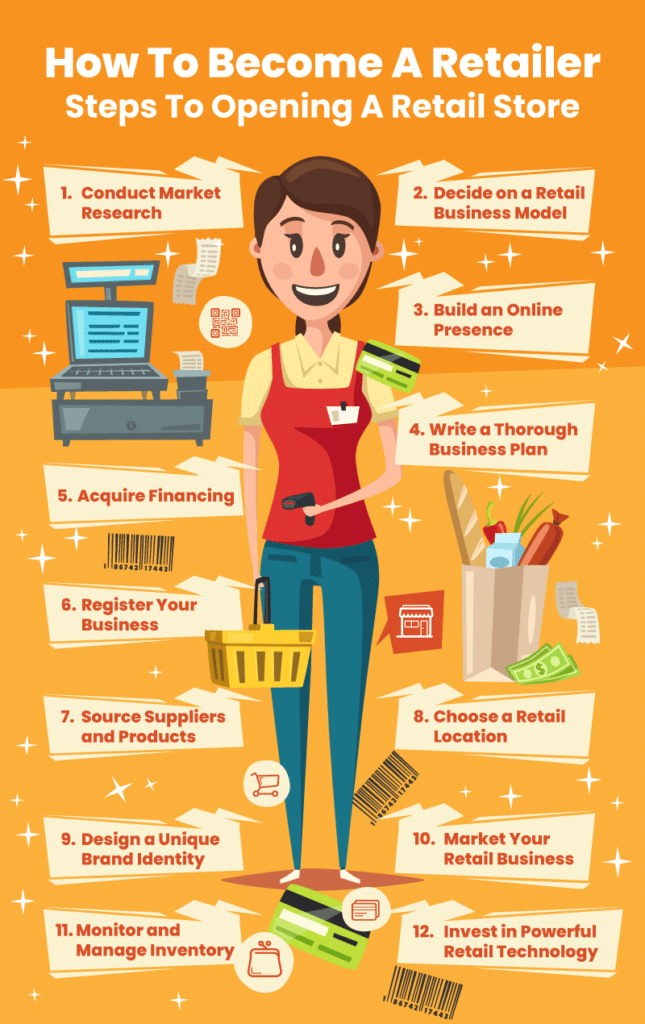
#1: Conduct Market Research
- Understand your target customers: Know who will buy from you and what they need.
- Identify market demand: Research whether people actually want your products.
- Analyze competitors: Study what similar businesses do well and where they fall short.
- Validate opportunity in your chosen niche: Pick a vertical you know well. Start focused and expand later.
#2: Write a Thorough Business Plan
A well-structured business plan is a roadmap for your retail venture. This document will guide you and be integral in seeking funding from investors or financial institutions. Include the following:
Executive Summary:
- Brief overview of the business, its mission, and vision
- Description of products/services offered and target market
Company Description:
- Detailed explanation of the retail business’s background and history
- Legal structure (e.g., sole proprietorship, partnership, LLC)
- Location and facilities
Market Analysis:
- Analysis of the target market, including demographics and buying behavior
- Evaluation of competitors and their strengths and weaknesses
- Identification of market trends and opportunities
Products/Services Offered:
- Comprehensive description of the products/services sold
- Competitive advantage and unique selling points
Marketing and Sales Strategy:
- Marketing plan/budget to reach the target audience (online and offline channels)
- Sales tactics, promotions, and customer retention strategies
Organization and Management:
- Organizational structure and roles/responsibilities
- Background and expertise of the management team
Operations and Logistics:
- Overview of the daily operations and processes
- Suppliers and inventory management strategy
Financial Projections:
- Projected revenue and sales forecasts for the next 3-5 years
- Break-even analysis, funding requirements, and profit margins
Funding Request:
- Amount of funding needed (if seeking external financing)
- Purpose of the funds and how they will be utilized
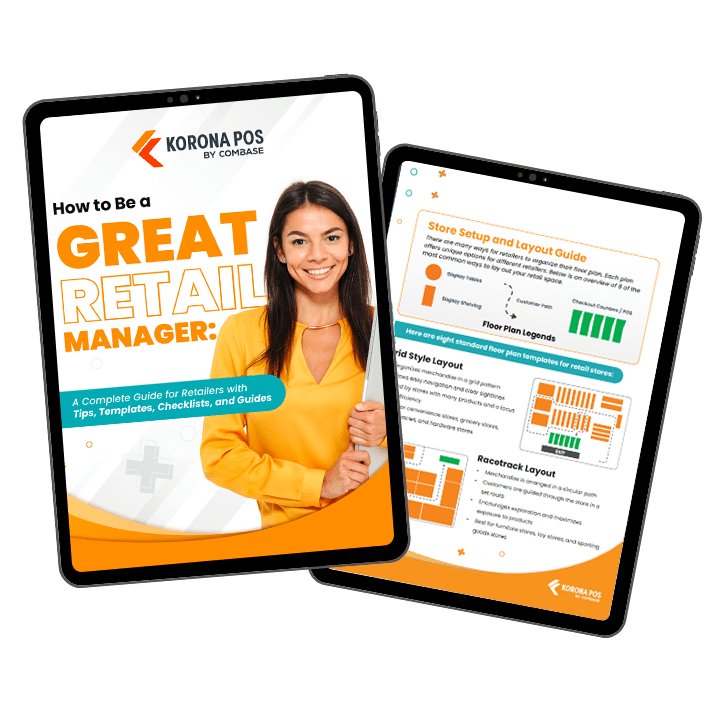
Free printable templates and checklists to help you manage retail operations with ease
#3: Decide on a Retail Business Model
Your business model determines how you’ll sell products and reach customers. Each approach has different costs, logistics, and growth potential.
Brick-and-Mortar
A physical store gives customers a hands-on experience with your products. It works well for businesses where touch, fit, or in-person service matters. Foot traffic is your lifeline here, so location is everything. Higher overhead costs mean you need consistent sales volume to stay profitable.
Online Retail
Selling through your own website or a marketplace like Amazon or Etsy keeps overhead low. You can reach customers far beyond your local area. The tradeoff is heavy competition and the need for strong product photography, descriptions, and a reliable fulfillment process.
Omnichannel Retail
Omnichannel means selling across multiple channels simultaneously, in-store, online, and on social media, while keeping the customer experience consistent.
PRO TIP
Shoppers expect to browse online and pick up in store, or return online orders in person. The more seamless the experience, the stronger your customer retention.
Pop-Up Shop / Kiosk
A pop-up or kiosk is a low-risk way to test a market, launch a product, or build brand awareness. It requires less capital than a permanent store. Many retailers use it to gauge demand before committing to a full brick-and-mortar location.
Wholesale vs. Direct-to-Consumer (D2C)
Wholesale means selling in bulk to other retailers, while D2C means selling straight to the end customer. D2C gives you higher margins and full control over your brand. Wholesale trades margin for volume. Some retailers do both, depending on the product and market.
Subscription-Based Retail
Customers pay a recurring fee to receive products on a set schedule. It creates predictable revenue and builds loyalty.
PRO TIP
Subscription-Based Retail works best for consumables or curated products, think coffee, skincare, or meal kits. Retention matters more than acquisition in this model.
Dropshipping
With dropshipping, you sell products without holding inventory. When a customer places an order, a third-party supplier ships it directly. Startup costs are low, but margins are tight and you have limited control over product quality and delivery times.
#4: Estimate Startup Costs
Before you spend a dollar, map out every expense so you know exactly how much capital you need to launch and survive the first few months.
If you’re new to running a retail operation, the retail management guide from KORONA POS is a solid starting point for understanding the day-to-day.
Location & Rent
Rent is usually the biggest fixed cost for a physical store. Expect to pay first and last month upfront, plus a security deposit. Costs vary significantly by city, foot traffic, and square footage. Budget for build-out or renovations on top of the base rent.
Inventory
You need enough stock to open and keep shelves full without tying up too much cash. Start lean and reorder based on what actually sells. Overbuying early is one of the fastest ways to run into cash flow problems before you’ve found your rhythm.
Technology & POS Systems
A reliable point of sale system is non-negotiable. You’ll need hardware like a register, barcode scanner, and card reader, plus software to track sales and inventory. Costs range from a few hundred to several thousand dollars, depending on the system and the size of your store.
Speak with a product specialist and learn how KORONA POS can power your business.
Licenses & Permits
Every retail business needs the proper paperwork before opening. Costs depend on your location and product category. A basic business license, seller’s permit, and any industry-specific permits are standard. Budget a few hundred dollars and account for annual renewal fees.
Insurance
Retail insurance protects your inventory, equipment, and business from liability. General liability and property insurance are the minimum.
PRO TIP
If you have employees, workers’ compensation is typically required by law. Monthly premiums vary based on store size, location, and coverage level. Shop around for quotes.
Coverage prevents devastating financial losses from accidents or lawsuits.
Marketing Budget
You need customers from day one. Allocate budget for a basic website, social media setup, and a local launch campaign. Paid ads, signage, and promotional offers all cost money. A rough rule of thumb is to set aside 5 to 10 percent of projected revenue for marketing.
PRO TIP
Start small and track what brings customers through your door. Word-of-mouth helps but paid marketing accelerates growth.
Employee Salaries
If you plan to hire from the start, payroll will be one of your largest ongoing expenses. Factor in hourly wages, payroll taxes, and any benefits you plan to offer. Even one part-time employee adds up quickly, so be realistic about what you can afford early on.
#5: Acquire Financing
Most retailers need external funding to cover startup costs and initial inventory. Understanding your financing options and maintaining healthy retail profit margins helps you choose the right funding path and repay loans on schedule.
Self-Funding
Use personal savings, credit cards, or retirement accounts to finance your store. You retain full ownership and avoid debt payments. However, you risk your own money and may have limited capital for growth or unexpected expenses.
Bank Loans
Traditional banks offer term loans and lines of credit for qualified borrowers. You’ll need a solid business plan, good credit, and often collateral. Interest rates vary based on your financial profile. Expect a lengthy application process with detailed documentation.
Government Grants
Small business grants from federal, state, or local agencies don’t require repayment. Competition is fierce, and applications are time-intensive.
PRO TIP
Research programs targeting retail businesses, minority-owned enterprises, or specific industries. Grants often come with strict usage requirements.
Investors
Angel investors or venture capitalists provide capital in exchange for equity ownership. You get funding and business expertise, but give up partial control. Pitch your concept clearly and show growth potential. The right investors bring valuable connections beyond just money.
Retail-Focused Financing Options
Inventory financing lets you buy stock and repay as products sell. Equipment leasing spreads costs over time. Merchant cash advances provide quick funding based on future sales. Each option suits different cash flow situations and growth stages.
#6: Register Your Business
Registering your business is a legal requirement, not just a formality. Get it done early so you can open a business bank account, apply for licenses, and operate without any legal exposure.
Choose a Business Structure
Your structure affects taxes, liability, and how you raise money. The most common options for retailers are sole proprietorship, LLC, and corporation. An LLC is popular because it separates your personal assets from business liabilities without the complexity of a full corporation.
Register Your Business Name
If you’re operating under a name other than your own, you’ll need to file a DBA (doing business as) with your local government. Check that the name isn’t already taken, and search for trademark conflicts before you invest in branding or signage.
Get an EIN
An Employer Identification Number is issued by the IRS and works like a social security number for your business. You need it to open a business bank account, hire employees, and file taxes. It’s free to apply for directly through the IRS website.
Register for State and Local Taxes
Most retailers need to collect sales tax, which means registering with your state’s tax authority.
PRO TIP
Requirements vary by state and product category. Some goods are exempt. Get clear on your obligations before your first sale to avoid penalties or back taxes later.
Obtain Required Licenses and Permits
A general business license is the baseline, but depending on your location and what you sell, you may need additional permits. Food, alcohol, and regulated products carry stricter requirements. Check with your city or county clerk’s office to confirm exactly what applies to your business.
PRO TIP
Compliance with legal requirements is vital to avoid future legal issues. Remember that some industries, like alcohol, cannabis, and tobacco, require special licenses and zoning requirements.
#7: Source Suppliers and Products
Your products are only as good as the suppliers behind them. Take time to vet your options carefully, because the wrong supplier can hurt your margins, reputation, and ability to keep shelves stocked.
Identify What You Need
Before approaching any supplier, clarify your product requirements.
PRO TIP
Know your target price points, quality standards, and order volumes. A well-defined product list makes supplier conversations more productive and helps you avoid commitments that don’t fit your business model.
Find Wholesale Suppliers
Search online directories, attend industry events, and ask fellow retailers for recommendations.
PRO TIP
Look for suppliers with positive reviews, established track records, and responsive customer service. Verify their credentials and business licenses before committing to large orders.
Attend Trade Shows
Trade shows connect you with multiple suppliers in one location. You can compare products, negotiate deals, and discover new trends. Bring business cards and take detailed notes. Many suppliers offer show-exclusive discounts or favorable terms to new retail partners.
Evaluate Supplier Reliability
Price is not the only factor. Look at lead times, return policies, and how suppliers handle damaged or missing shipments. Ask for references from other retailers they work with. A cheap supplier who delivers late or inconsistently will cost you more in the long run.
Request Samples and Test Quality
Order product samples before placing bulk orders. Inspect materials, craftsmanship, and packaging quality.
PRO TIP
Test items yourself or get feedback from trusted customers. Poor-quality products damage your reputation faster than almost anything else.
Negotiate Terms
Most supplier terms are negotiable, especially once you’ve built a relationship.
PRO TIP
Push for favorable payment terms, volume discounts, or lower minimums to start. Even small improvements in cost or flexibility can have a meaningful impact on your cash flow and overall profitability.
Diversify Your Supply Chain
Relying on a single supplier is a risk. If they run out of stock, raise prices, or shut down, your business takes the hit. Where possible, identify at least one backup supplier for your core products so you’re never left without inventory at a critical time.

#8: Choose a Retail Location
Your store’s location can make or break your business. The right spot attracts customers naturally, while the wrong one drains resources without generating sales.
Do You Need a Physical Location?
Not every retail business needs a storefront. If you’re starting online or testing a concept, a physical location can wait. Commit to a lease only when you have enough validated demand to justify the overhead and the long-term commitment that comes with it.
Foot Traffic and Visibility
High foot traffic means more walk-in customers, but it also means higher rent. Consider:
- Is the location easy to spot from the street?
- Do people already pass by for other reasons, like a grocery store or transit stop?
- Is the surrounding area growing or declining?
Accessibility and Parking
Customers won’t go out of their way if getting to you is a hassle. Consider:
- Is there ample parking nearby?
- Is the location accessible by public transport?
- Can delivery trucks access the store easily for restocking?
Competitor Proximity
Being near competitors is not always a bad thing. Consider:
- Are nearby competitors pulling in the customers you want?
- Is there a gap in the market you can fill in that area?
- Would you be too close to a dominant player that would overshadow your store?
Affordable Rent vs. Ideal Location
A prime location means nothing if the rent kills your margins. Consider:
- What percentage of projected revenue will rent consume?
- Are there emerging neighborhoods with lower rent and growing foot traffic?
- Can you negotiate a shorter lease to reduce risk early on?
Space Requirements
Too much space is expensive. Too little limits your growth. Consider:
- How much floor space do you need for displays, storage, and staff?
- Does the layout work for your product type and customer flow?
- Is there room to expand if the business grows?
#9: Design a Unique Brand Identity
Your brand is more than a logo. It shapes how customers recognize you, remember you, and decide whether to buy from you. Strong branding also has a direct impact on sales, and if you want to see how it plays into revenue, this guide on brick-and-mortar sales is a good reference.
Here’s what building a solid brand identity actually looks like in practice:
- Define your value proposition and target audience first. Know who you’re selling to and what makes your store worth choosing before you touch any design decisions.
- Build a distinctive visual identity. Your logo, color scheme, and typography should reflect your brand’s personality and resonate with your target customer. Keep it clean and consistent.
- Stay consistent across every touchpoint. Social media, packaging, and in-store displays should all feel like the same brand. Inconsistency confuses customers and weakens trust over time.
- Decide whether to DIY or hire out. Some retailers handle branding themselves using tools like Canva. Others bring in a design firm. Both can work. For small and independent retailers, there are plenty of affordable third-party options with packages built to fit smaller budgets.
#10: Market Your Retail Business
Effective marketing attracts customers and builds lasting relationships. Testing different retail marketing strategies helps you discover which channels deliver the best return on your investment.
Store Signage and Local Advertising
Eye-catching storefront signage pulls in foot traffic. Invest in window displays, sidewalk signs, and exterior lighting that showcase your brand. Partner with local newspapers, radio stations, or community newsletters. Sponsor neighborhood events to build recognition and goodwill within your area.
Social Media Marketing
Post regularly on platforms where your customers spend time. Share product photos, behind-the-scenes content, and customer testimonials.
PRO TIP
Engage with comments and messages promptly. Run contests or giveaways to boost reach. Authentic posts perform better than overly polished corporate content.
Content Marketing
Create helpful blog posts, videos, or guides related to your products. Answer common customer questions and share expert tips. Quality content builds trust and brings organic traffic to your website. Educational material positions you as an authority in your niche.
Email and SMS Marketing
Collect customer contact information at checkout or through your website. Send promotions, new product announcements, and exclusive deals.
PRO TIP
Personalize messages based on purchase history. SMS works well for time-sensitive offers. Keep frequency balanced to avoid annoying subscribers.
Paid Advertising
Google Ads target people actively searching for products you sell. Facebook and Instagram ads reach specific demographics and interests. Start with small budgets and test different ad creative. Track which campaigns generate actual sales, not just clicks or impressions.
In-Store Events and Experiences
Host product launches, workshops, or shopping nights to create buzz. Events give customers reasons to visit beyond just buying.
pro tip
Partner with brands you carry for co-hosted experiences. Live demonstrations, tastings, or classes turn shopping into entertainment.
Referral Programs
Offer incentives when existing customers bring in new shoppers. Word-of-mouth remains powerful marketing.
PRO TIP
Give both the referrer and new customer a discount or reward. Track referrals through codes or cards. Happy customers become your best salespeople.
#11: Provide Exceptional Customer Service
Anita R. – La Vega Cigars
“Customer service in retail is all about making shoppers happy. From saying hello to helping with questions, we’re not just doing transactions, we’re making friends. Our goal is to give people such a great experience that they want to tell others about our store.”
To provide exceptional customer service, a retailer should prioritize staff training and empower them to deliver personalized, attentive assistance. Creating a welcoming, friendly atmosphere in-store and online helps establish a positive customer experience.
Adding multiple communication channels, such as live chat, email, and social media, allows customers to reach out conveniently. Actively listening to customer feedback, resolving issues promptly, and exceeding expectations are crucial elements in building long-lasting customer relationships and loyalty.
Have trouble getting your POS customer service on the phone?
KORONA POS offers 24/7 phone, chat, and email support. Call us at 833.200.0213 to see how reliable we are.
Loyalty and Customer Relationship Management
One way to keep customers engaged is through rewards programs. Customer loyalty has become more and more popular, and there are now platforms for just about every retail vertical. If you’re looking at the broader picture of how loyalty fits into store performance, this guide on improving retail store performance is worth a look.
These loyalty programs incentivize customers to return and show appreciation for frequent shoppers. One study found that 80% of respondents said they were more likely to continue purchasing from a brand with a good loyalty program.
#12: Monitor and Manage Inventory
Running a successful multi-store retail business or even a single location requires tight control over what you have and what you need.
Use Inventory Management Software
Automated systems track stock levels, sales velocity, and reorder points. Software reduces human errors and saves hours of manual counting. Cloud-based solutions sync across multiple locations and sales channels. Choose platforms that integrate with your POS system for seamless updates.
Inventory management a headache?
KORONA POS makes stock control easy. Automate tasks, generate custom reports, and learn how you can start improving your business.
Set Par Levels
Establish minimum stock quantities for each product. Par levels trigger reorders before you run out. Calculate based on sales history, lead times, and seasonal demand. Review and adjust levels regularly as your business grows or customer preferences shift.
Practice Stock Rotation
Use FIFO (first in, first out) to move older inventory before newer stock. Place fresh products behind existing ones on shelves. Stock rotation prevents spoilage for perishables and reduces obsolescence for dated items. Train staff on proper rotation procedures.
Place and Track Orders
Schedule orders based on lead times and sales patterns. Track shipments from suppliers to anticipate arrival dates. Build buffer time for delays or supply chain disruptions. Keep vendor contact information handy for quick communication about order issues.
Conduct Regular Inventory Counts
Physical counts verify what your system says you have. Schedule full counts quarterly or annually, depending on your business size. Use cycle counts for high-value or fast-moving items monthly. Investigate discrepancies immediately to spot theft, damage, or recording errors.
Manage Seasonal Inventory
Plan ahead for holiday rushes, back-to-school periods, or seasonal trends. Stock up early before suppliers run low. Clear seasonal items with markdowns before they become dead stock. Analyze past years to forecast quantities more accurately.
Identify and Clear Dead Stock
Monitor slow-moving products that tie up cash and shelf space. Bundle them with popular items, run promotions, or return to suppliers if possible. Cut losses on inventory that won’t sell. Use freed-up space and capital to produce products customers actually want.
#13: Set Up Your Retail Operations & Technology
POS System
Your point of sale system is the backbone of daily operations. Choose software that processes transactions quickly, tracks sales data, and manages inventory automatically. Cloud-based systems let you access business information from anywhere. Look for user-friendly interfaces that reduce staff training time.
Speak with a product specialist and learn how KORONA POS can power your business.
Payment Processing Options
Accept multiple payment methods to avoid losing sales. Credit cards, debit cards, Apple Pay, Google Pay, and contactless payments are now standard expectations.
PRO TIP
Compare processing fees across providers. Some POS systems include built-in payment processing at competitive rates. Look for companies that offer flexible merchant services. It gives more flexibility down the road.
Find out how much you’re spending.
Barcode Scanners and Receipt Printers
Barcode scanners speed up checkout and reduce pricing errors. Choose wired or wireless models based on your counter setup. Thermal receipt printers are reliable and require less maintenance than ink-based options. Buy extra receipt paper rolls to avoid running out during busy periods.
Ecommerce Integration
Connect your physical and online stores through integrated platforms. Inventory syncs automatically across channels so you never oversell. Customers can buy online and pick up in-store. Unified systems simplify order management and provide complete sales visibility across all channels.
Inventory Management Tools
Track stock levels, set automatic reorder alerts, and monitor product performance. Good inventory tools show which items sell fast and which sit on shelves. Generate purchase orders directly from the system. Integration with your POS eliminates manual data entry and keeps counts accurate.
Reporting and Analytics
Sales reports reveal your best-performing products, peak hours, and revenue trends. Track employee performance, profit margins, and customer purchase patterns. Use data to make informed decisions about staffing, inventory, and promotions. Customizable dashboards put key metrics at your fingertips.
Discover Advanced Analytics and Custom Reports
Speak with a product specialist and learn how KORONA POS can work for your business.
#14: Plan and Execute Your Retail Launch
Your grand opening creates first impressions and builds momentum.
- Set a launch date and work backward to create a timeline
- Order inventory well ahead to ensure full shelves on opening day
- Train staff thoroughly on products, systems, and customer service
- Promote your opening through social media, local press, and signage
- Offer special discounts or events to attract initial customers
- Soft launch with friends and family to test operations before the public opening
Launch Your Retail Business the Right Way With KORONA POS
KORONA POS helps retailers in liquor, smoke, vape, convenience stores, QRS, and specialty stores launch successfully with specialized features built for your industry.
Our processing-agnostic system supports dual pricing to maximize savings. Get extensive inventory and sales reports across multiple locations.
Retailers benefit from case break, age verification, mix-and-match discounts, and vendor-specific reporting. Track kegs, handle deposits, and manage vendor returns effortlessly. Our system scales with your business, whether you operate one store or twenty.
Looking for the right POS system for your current or upcoming retail store? Call us at 833-200-0213 or book a demo below to see how KORONA POS transforms your operations.
Speak with a product specialist and learn how KORONA POS can power your business.
FAQs:
1. What do I need to be a retailer?
To become a retailer, you need a clear business plan outlining your target market, the products you intend to sell, and your unique selling proposition. Plus, you’ll need a reliable source of products, adequate start-up financing, and a well-designed marketing strategy. Finally, obtaining necessary permits and licenses should be addressed to ensure compliance with local regulations.
2. How do retailers make money?
Retailers make money by purchasing products or goods from wholesalers or manufacturers at a wholesale price and then selling them to consumers at a higher retail price. Successful retailers focus on increasing sales, managing inventory efficiently, and providing exceptional customer experiences to drive revenue and profitability. Integrating eCommerce with brick-and-mortar sales also helps retailers increase their revenue.
3. How much does a small retail store make?
The revenue of a small retail store can vary significantly based on factors such as location, product selection, customer base, and overall business efficiency. On average, small retail stores earn from $100,000 to $500,000 in annual gross revenue. However, it’s important to note that these figures fluctuate, and success in the retail industry depends on diligent business management.